Introduction
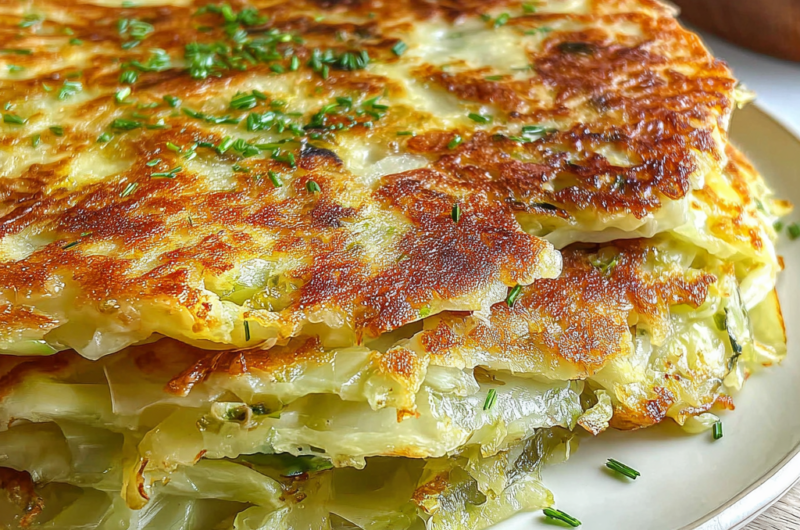
Cabbage pancakes are a delightful twist on traditional pancakes, introducing a savory flavor profile that is both unique and satisfying. This dish highlights the often underappreciated cabbage, transforming it into a crispy and versatile pancake that can be enjoyed as a main or a side.
With a short list of ingredients and straightforward preparation steps, anyone can master this recipe. Whether you're a seasoned chef or a novice in the kitchen, these pancakes offer a perfect opportunity to experiment and enjoy the fresh, crunchy texture of cabbage in a new way.
Ingredients
- 2 cups green cabbage, finely shredded
Cabbage is the star ingredient here, providing not only a hearty texture but also a subtle sweetness when cooked. Finely shredding it ensures even cooking and an optimal pancake texture. - 1/2 cup all-purpose flour
Flour acts as the binding agent in the pancakes, helping to hold all the ingredients together while providing a light, fluffy texture. Adjusting the amount can modify the density of the pancake. - 1/2 cup water (or vegetable broth)
Water hydrates the flour, facilitating the mix into a cohesive batter. Using vegetable broth adds extra flavor, enhancing the overall taste of the pancakes without the need for additional seasoning. - 1 large egg
The egg not only binds the ingredients but also helps create a tender and cohesive pancake structure. It adds richness and helps the pancakes rise slightly as they cook. - 1/4 cup green onions, chopped
Green onions introduce a mild, onion-like flavor that elevates the dish. They add freshness and a pop of color, making the pancakes not only tastier but more visually appealing. - Salt and pepper to taste
Salt enhances all the flavors in the pancakes, while pepper provides a subtle kick. Adjusting these seasonings allows for personalized flavor preferences. - Oil for frying
A good frying oil ensures that the pancakes have a crispy exterior while remaining tender inside. Choosing oils with higher smoke points, such as vegetable or canola oil, is ideal for frying.
Directions & Preparation
Step 1: Prepare the cabbage and mix the batter.
Start by finely shredding the green cabbage—this directly impacts the texture of the pancakes. The more finely shredded the cabbage, the better it will incorporate with the other ingredients. In a separate bowl, combine the flour, egg, and water to create a batter before adding the cabbage and green onion, ensuring an even mixture.
Step 2: Season the batter.
Add salt and pepper to the batter to enhance flavor. This step is crucial as it sets the baseline seasoning for the entire dish. Remember, you can always adjust the seasoning after tasting, but starting off on a flavorful note is important for the overall success of the pancakes.
Step 3: Heat oil in a skillet over medium heat.
Heating the oil adequately is key to achieving crispy pancakes. If the oil is too cold, the batter will soak it up, resulting in soggy pancakes. Conversely, too hot of an oil will burn the exterior before the inside cooks. Aim for a balance, ensuring the oil is shimmering but not smoking.
Step 4: Pour batter into the skillet and shape into pancakes.
Using a ladle or measuring cup, pour the batter onto the hot skillet. The shape can be adjusted based on personal preference, but keeping them uniform in size will help promote even cooking. Spread the batter slightly with the back of the ladle for a consistent thickness.
Step 5: Cook until golden brown and flip.
Allow the pancakes to cook until the edges start to look set and the bottoms are golden brown, roughly 3-4 minutes. This is crucial; flipping too early can cause them to break apart. Use a spatula to carefully check the loveliness of the underside before flipping.
Step 6: Continue cooking on the other side.
Once flipped, cook until the second side is equally golden brown, about 2-3 more minutes. This ensures that both sides are evenly crisped and the inside cooks through. If they seem pale or undercooked after this time, adjusting the heat may be necessary to ensure they cook through properly.
Step 7: Remove and drain on paper towels.
Transfer the cooked pancakes to a plate lined with paper towels to absorb excess oil. This final touch is vital to achieving that perfect crispy texture without being greasy. The pancakes can be kept warm in a low oven if preparing multiple batches.

Creative Variations to Explore
While the basic cabbage pancake is fantastic on its own, consider experimenting with additional ingredients such as grated carrots or thinly sliced bell peppers for added color and flavor. Additionally, spices like cumin or paprika can be mixed into the batter for a unique twist. Feel free to play around until you find your preferred combination!
Serving Suggestions and Dips
These cabbage pancakes can be served in various ways. Consider pairing them with a dollop of sour cream or a side of tangy apple sauce to complement their flavor profile. They can also serve as a base for various toppings, such as sautéed mushrooms or a fresh herb salad, transforming them into a more substantial meal.
Cabbage: A Nutritional Powerhouse
Cabbage is often overlooked, yet it boasts numerous health benefits. Rich in vitamins C and K, it's also a great source of fiber, promoting digestive health. Including cabbage in your diet can offer a range of nutrients while remaining low in calories, making it an excellent choice for both flavor and nutrition.
FAQs
What if my cabbage pancakes turn out too soggy?
Soggy pancakes can result from excess moisture in the cabbage or using too little flour. Make sure to finely shred the cabbage and consider pressing it lightly to remove excess water before mixing.
Can I use a different type of flour in this recipe?
Absolutely! Almond flour or whole wheat flour can be good alternatives to all-purpose flour. However, keep in mind that different flours may alter the texture slightly, so adjustments to the liquid may be necessary.
What should I do if my batter is too thick?
If your batter seems too thick to pour easily, adding a bit more water or broth can help achieve the desired consistency. The batter should be pourable but still hold some structure after being placed on the skillet.
How can I enhance the flavor of my pancakes without too much effort?
Incorporating ingredients like garlic powder or smoked paprika can elevate the flavor profile without additional complexity. Also, opting for flavorful broth instead of water can boost taste effortlessly.
What sides pair well with cabbage pancakes?
Cabbage pancakes are versatile and pair wonderfully with sides like pickled vegetables, a fresh salad, or even a light soup for a complete meal. Their savory nature complements a range of dishes.
Why are my pancakes not browning properly?
Insufficient heat could lead to pancakes cooking unevenly. Ensure your skillet is adequately heated before you add the batter, and try adjusting the temperature if browning is inconsistent.
Conclusion
Cabbage pancakes are undoubtedly a delightful addition to your culinary repertoire. Their simplicity and diversity make them perfect for quick weeknight meals or impressing guests.
By exploring different ingredients and flavors, you can customize this dish to fit your palate perfectly. Enjoy crafting these delicious pancakes and celebrating the humble cabbage in style!
Recipe Card
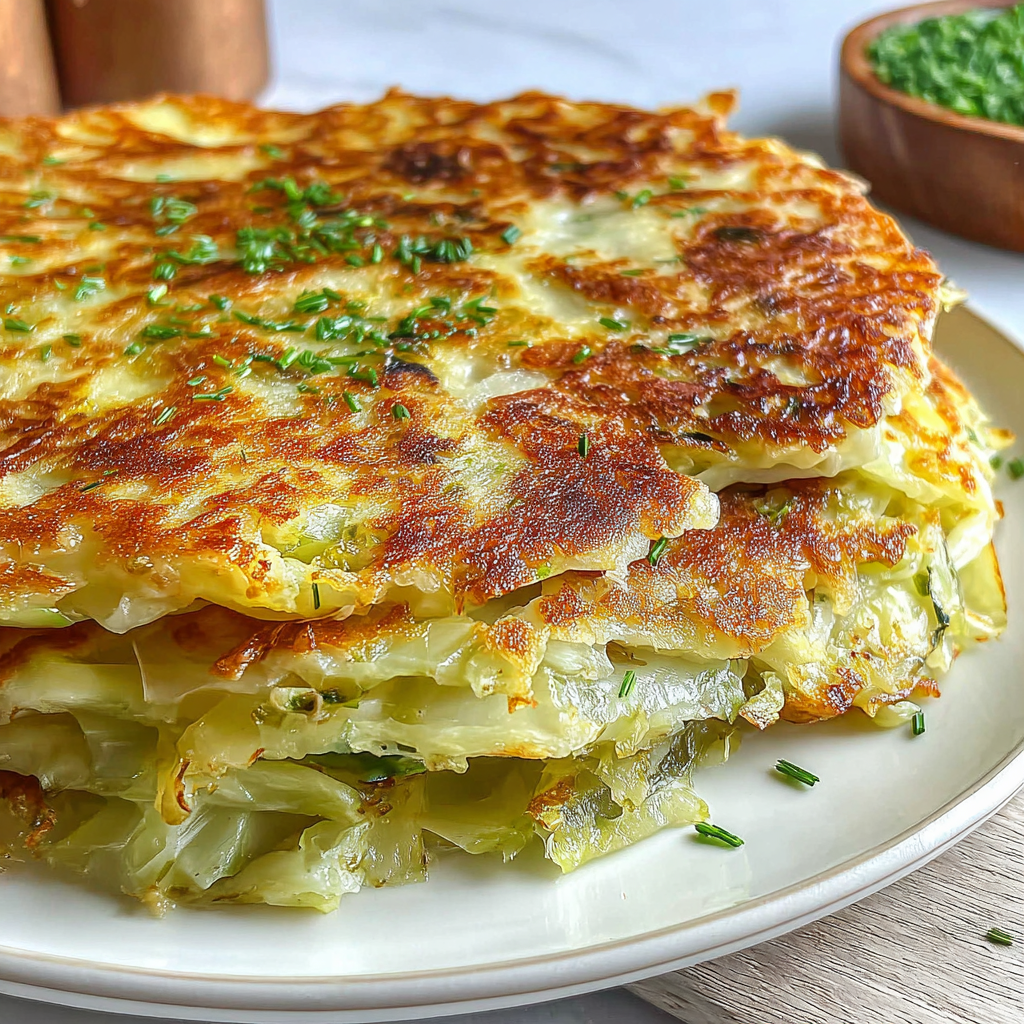
Delicious Cabbage Pancakes for Every Home Cook
Ingredients
Method
- Prepare the cabbage and mix the batter.
- Season the batter.
- Heat oil in a skillet over medium heat.
- Pour batter into the skillet and shape into pancakes.
- Cook until golden brown and flip.
- Continue cooking on the other side.
- Remove and drain on paper towels.
Notes
Additional serving suggestions: pair with a crisp salad, garlic bread, or roasted seasonal vegetables for balance.
For make-ahead, prep components separately and assemble just before heating to preserve texture.
Taste and adjust with acid (lemon/vinegar) and salt right at the end to wake up flavors.