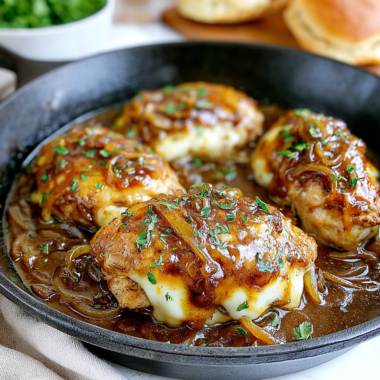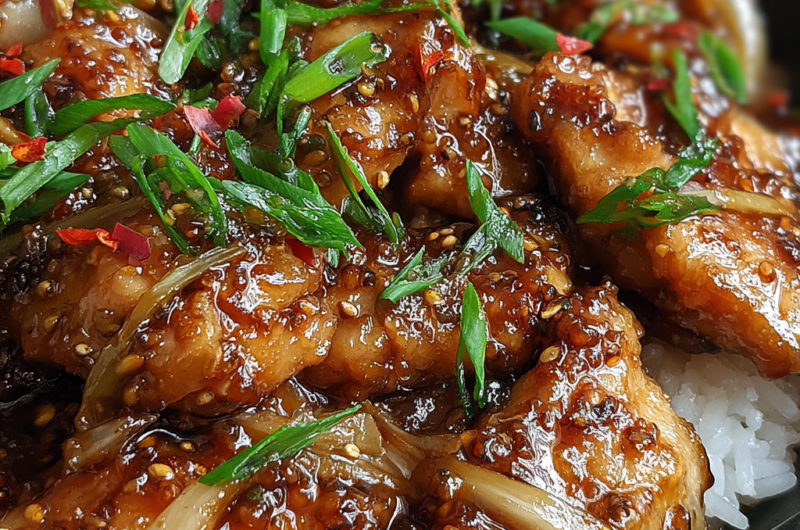
Introduction
When it comes to comfort food, few dishes stand out as much as Chicken in Garlic Sauce. This classic Chinese dish delivers an irresistible balance of savory flavors with tender chicken, perfectly coated in a fragrant garlic sauce. Whether you’re preparing a quick weeknight meal or impressing guests, this recipe is sure to delight.
The beauty of this dish lies not only in its flavor but also in its ease of preparation. With a few essential ingredients and straightforward steps, you can create a dish that tastes like it’s straight from a restaurant kitchen. Let’s dive into the world of Chinese cuisine and transform your kitchen into a culinary haven.
Ingredients
- 1 pound boneless, skinless chicken breasts
Chicken breasts are lean cuts that cook quickly and absorb flavors well, making them ideal for this dish. Cutting them into bite-sized pieces ensures they become tender and soak in the sauce. - 4 tablespoons soy sauce
Soy sauce adds a rich, umami depth that enhances the overall flavor. It also helps to marinate the chicken, making it juicier when cooked. - 3 tablespoons cornstarch
Cornstarch is essential for creating a light coating on the chicken. This coating not only helps to crisp the chicken during frying but also thickens the sauce later. - 5 cloves garlic, minced
Garlic is the star ingredient in this dish. Its pungent aroma and flavor will infuse the sauce, bringing it to life and elevating the entire dish. - 1 tablespoon ginger, minced
Ginger complements the garlic perfectly and adds a fragrant warmth. It enhances the dish's complexity and provides a fresh, zesty bite. - 2 tablespoons vegetable oil
This oil is used for frying the chicken and shallots, ensuring they cook evenly without burning. Vegetable oil has a high smoke point, making it ideal for stir-frying. - 1/2 cup chicken broth
Chicken broth serves as the base for the sauce, infusing it with additional flavor. It keeps the dish moist, ensuring that each bite is deliciously savory. - 1 tablespoon sugar
Sugar balances the saltiness of the soy sauce and the pungency of the garlic. It rounds out the flavors, making the sauce more harmonious. - 1 teaspoon sesame oil
Sesame oil adds a nutty, aromatic finish that enhances the overall taste. It’s a traditional component in Asian cuisine, adding richness to the sauce. - 3 green onions, chopped
Green onions add a fresh, crisp element as a garnish, and they provide additional flavor contrast. They're used both as a part of the cooking process and for a colorful topping.
Directions & Preparation
Step 1: Prepare the chicken by cutting it into bite-sized pieces.
Cutting the chicken into uniform pieces ensures even cooking. This also allows for maximum coverage of the sauce on the chicken, enhancing each bite with flavor.
Step 2: Marinate the chicken with soy sauce and cornstarch.
Marinating is crucial as it allows the chicken to soak up the soy sauce, adding depth of flavor. The cornstarch forms a light coating that will keep the chicken tender and help it crisp up during cooking.
Step 3: Heat vegetable oil in a large skillet over medium-high heat.
Preheating the oil is essential for creating a sear on the chicken pieces. This step locks in moisture, giving the chicken a flavorful crust while keeping the inside juicy.
Step 4: Add the marinated chicken to the skillet in a single layer.
Adding the chicken in a single layer prevents overcrowding, which can lead to steaming instead of frying. This step ensures each piece gets a nice golden-brown color and cooks evenly.
Step 5: Cook the chicken until browned and cooked through, about 6-8 minutes.
Allowing the chicken to brown develops a rich flavor through the Maillard reaction. Be sure to stir occasionally to ensure even cooking without burning.
Step 6: Remove the chicken and set it aside, keeping it warm.
Setting the chicken aside ensures it retains its heat while you prepare the sauce. This prevents it from overcooking and drying out as you finish the dish.
Step 7: In the same skillet, add garlic and ginger, cooking until fragrant.
Cooking the garlic and ginger in the residual oil allows their essential oils to be released, creating an aromatic base for the sauce. Keep a close eye to prevent burning, as they can turn bitter quickly.
Step 8: Stir in chicken broth, sugar, and sesame oil, bringing the mixture to a simmer.
This step combines the flavors from the skillet with the added ingredients, creating a savory sauce. Simmering helps the sugar dissolve and allows the broth to reduce slightly, intensifying the flavors.
Step 9: Return the cooked chicken to the skillet, tossing to coat in the sauce.
This is where the chicken absorbs the garlicky goodness of the sauce. Tossing it well ensures that each piece is generously coated, ensuring every bite is flavorful.
Step 10: Garnish with chopped green onions before serving.
The fresh green onions add a pop of color and a crisp texture that contrasts beautifully with the tender chicken and sauce. Serving immediately ensures the best flavor and freshness.

Balancing Flavors for the Perfect Sauce
Getting the sauce just right is crucial in this recipe. The harmony between the saltiness of the soy sauce, the sweetness of sugar, and the depth from garlic and ginger creates a deliciously balanced flavor profile. Don’t be afraid to adjust these elements to suit your taste; a little more garlic can amp up the aroma, while a pinch of sugar can sweeten the pot.
Choosing the Right Chicken
Using boneless, skinless chicken breasts provides a quick and easy option for this dish. However, feel free to experiment with dark meat, such as chicken thighs, for a richer flavor. Thighs are slightly fattier, allowing them to stay moist during cooking while still working excellently with the garlic sauce.
Serving Suggestions for a Complete Meal
Pairing Chicken in Garlic Sauce with steamed rice or stir-fried vegetables elevates the meal to a new level. Consider adding a side of bok choy or broccoli for a nutritious contrast. The rice and vegetables soak up the delicious sauce, creating a satisfying experience that will leave everyone wanting seconds.
FAQs
What can I do if the sauce is too thick?
If your sauce is too thick, gradually add a little more chicken broth or water to achieve your desired consistency, stirring well after each addition.
Can I use different types of protein in this recipe?
Yes, this recipe works well with shrimp or tofu as alternatives. Adjust cooking times accordingly, as shrimp cooks quickly while tofu may need more time to absorb flavors.
What if my garlic sauce isn't flavorful enough?
If the sauce feels bland, consider adding a bit more soy sauce and minced garlic to boost the flavor. Let it simmer a little longer to develop depth.
Can I make this dish spicier?
Certainly! Add some crushed red pepper flakes or a splash of hot sauce during cooking for an added kick that can elevate the flavor profile.
How can I make the dish more vibrant in flavor?
Including additional vegetables such as bell peppers or snap peas not only enhances the dish visually but adds crunch and flavor variety. Toss them in during the last few minutes of cooking.
Is there a way to reduce the sodium in this recipe?
Using low-sodium soy sauce is a great alternative to cut back on salt while retaining the essential umami flavors that the dish needs.
Conclusion
Chicken in Garlic Sauce is an embodiment of rich flavors and satisfying textures that can easily be recreated in your own kitchen. Its versatility allows you to customize the dish according to your preferences, making it a staple in any home cook's repertoire.
With this recipe, you're not just preparing a meal but also creating a dining experience worth savoring. Embrace the aromas and flavors, and make this dish a regular feature in your culinary adventures.
Recipe Card
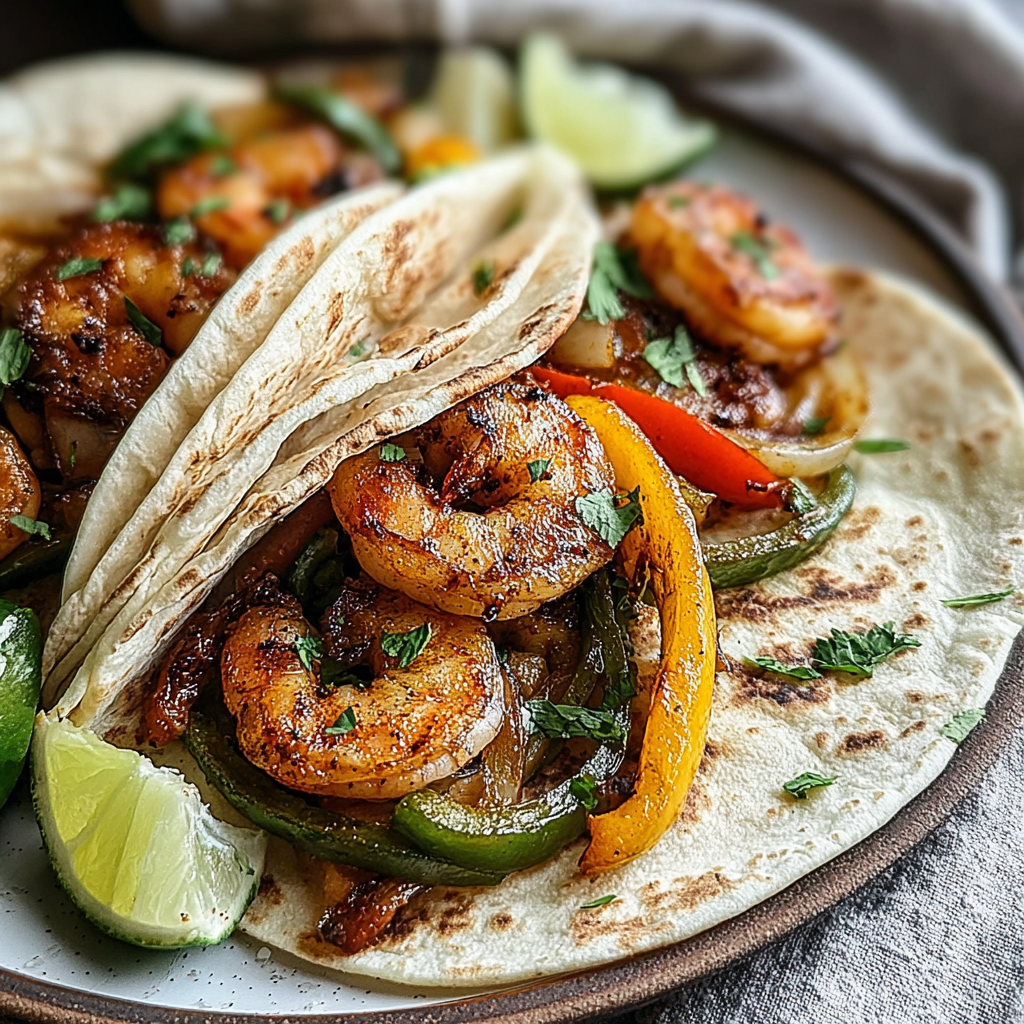
Flavorful Shrimp Fajitas for a Festive Meal
Ingredients
Method
- Prepare the Shrimp
- Slice Vegetables
- Heat the Oil
- Cook Vegetables
- Spice it Up
- Add the Shrimp
- Serve with Warm Tortillas
Notes
Additional serving suggestions: pair with a crisp salad, garlic bread, or roasted seasonal vegetables for balance.
For make-ahead, prep components separately and assemble just before heating to preserve texture.
Taste and adjust with acid (lemon/vinegar) and salt right at the end to wake up flavors.