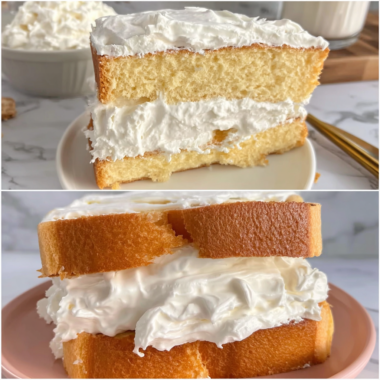
Introduction
Biscoff pudding is a rich and creamy dessert that elevates the classic pudding experience with the unique flavor of spiced speculoos cookies. This delightful treat is perfect for gatherings or as a personal indulgence at home. The sweet, caramel notes from the Biscoff cookies paired with velvety cream create a harmony that is hard to resist.
This pudding works as a great base for creativity, allowing you to enhance it with different toppings or flavors. Whether you’re looking to impress during a dinner party or simply want a sweet ending to your day, Biscoff pudding can be both simple and elegant. Let’s dive into the steps to create this creamy delight.
Ingredients
- 400g Biscoff cookies
These spiced cookies provide the signature flavor of this pudding. Their crunchy texture adds a lovely contrast when layered with the creamy filling. - 500ml heavy cream
Essential for achieving a rich and smooth texture, heavy cream is whipped to give the pudding its indulgent mouthfeel. - 1 cup whole milk
Milk adds a softer creaminess to the pudding, helping to balance out the thickness from the cream and allowing for a silky consistency. - 1/2 cup granulated sugar
Sugar sweetens the pudding, enhancing the flavors of the Biscoff cookies. The amount can be adjusted based on your taste preference. - 1/2 cup cornstarch
Cornstarch acts as a thickening agent, ensuring the pudding sets appropriately and has a luscious texture. - 1 teaspoon vanilla extract
Vanilla complements the spiced cookie flavor, adding depth and enhancing the overall taste of the pudding. - Pinch of salt
A small amount of salt balances the sweetness and brings out the flavors, enriching the overall taste experience.
Directions & Preparation
Step 1: Prepare the Biscoff cookie layer by crushing cookies.
Begin by placing the Biscoff cookies in a food processor or a resealable bag. Crush until fine crumbs form, which will be used for the base layer. This step is crucial as the texture will create a delightful contrast to the creamy pudding. If using a bag, make sure to press out any air before sealing to avoid a crumb explosion.
Step 2: Whip the heavy cream to soft peaks.
In a chilled mixing bowl, whip the heavy cream until it forms soft peaks. This process introduces air, making the pudding light and fluffy. Avoid overwhipping, as it can turn buttery and lead to a grainy texture—an unwanted outcome in this delicate dessert.
Step 3: Heat the milk, sugar, and salt in a saucepan.
Combine the milk, granulated sugar, and a pinch of salt in a medium saucepan over medium heat. Stir until the sugar dissolves completely, which helps create an evenly sweet pudding. Keep a close watch to prevent the milk from scalding, as this can affect the flavor.
Step 4: Mix cornstarch with a little cold milk to create a slurry.
In a small bowl, dissolve the cornstarch in a few tablespoons of cold milk. This slurry helps prevent lumps from forming when the cornstarch is added to the warm milk mixture. Ensuring proper mixing in this step is vital for achieving a smooth pudding.
Step 5: Combine the cornstarch mixture into the saucepan.
Gradually whisk the cornstarch slurry into the heated milk mixture, stirring continuously until it thickens. This is the moment when the pudding transforms into a luscious texture, so be diligent in whisking to prevent clumps.
Step 6: Remove from heat and stir in vanilla extract.
Once the mixture has thickened, remove it from the heat and stir in the vanilla extract. Adding vanilla at this stage allows the flavor to bloom, infusing the pudding with that warm, inviting aroma.
Step 7: Fold whipped cream into the pudding mixture.
Gently fold the whipped cream into the slightly cooled pudding. This folding technique ensures the mixture remains airy and light, creating a beautifully textured dessert. Be careful not to stir too aggressively to preserve the fluffy consistency.
Step 8: Layer the crushed Biscoff cookies and pudding.
In serving glasses or a trifle dish, begin layering the crushed Biscoff cookies followed by a generous layer of the pudding. Repeat the process to create multiple layers, alternating between cookie crumbs and pudding. This visual appeal makes the dessert more enticing and allows each spoonful to capture the essence of both layers.
Step 9: Chill the pudding for a few hours before serving.
Cover the assembled pudding and refrigerate for at least 4 hours, or overnight if possible. Chilling is essential for the layers to meld together and for the pudding to set properly, enhancing the overall flavor and texture.

Creative Toppings to Enhance Your Pudding
While Biscoff pudding is delightful on its own, adding toppings can elevate the dessert experience. Consider drizzling melted Biscoff spread on top for an extra burst of flavor, or garnish with whipped cream and shaved Biscoff cookies for added texture. Fresh fruit like strawberries or banana slices can also provide a refreshing contrast to the creamy richness of the pudding.
Serving Suggestions for Biscoff Pudding
This pudding can be served in individual portions, making it perfect for parties or family gatherings. For a more communal experience, consider serving it in a large trifle dish. Pair with a strong coffee to complement the sweet and spiced notes from the Biscoff cookies; the contrast will create a delightful end to any meal.
Making It Your Own: Flavor Variations
Don't hesitate to experiment with flavors in your Biscoff pudding. For a chocolatey twist, mix in cocoa powder or use chocolate-flavored cookies instead. For those who adore a nutty profile, try introducing ground almonds or hazelnuts into the cookie layer, enhancing the dessert's texture and flavor profile.
FAQs
What can I do if my pudding is too thin?
If your pudding doesn't thicken as expected, try adding a bit more cornstarch mixed with cold milk to the warm mixture while whisking continuously.
How can I adjust the sweetness of the pudding?
Feel free to adjust the sugar to suit your taste; you can reduce it by up to a quarter without significantly affecting the texture.
Can I use gluten-free cookies for this recipe?
Yes, gluten-free versions of speculoos or similar spiced cookies work well as a direct substitute for traditional Biscoff cookies.
What should I do if my cream mixture isn't thickening?
Ensure that you are whisking vigorously enough when adding the cornstarch. If undercooked, it may not thicken properly; return to heat and whisk until set.
Can I make a larger batch of Biscoff pudding?
Absolutely! Simply multiply the quantities of each ingredient by the desired amount, ensuring your mixing bowl is large enough to accommodate.
How can I enhance the Biscoff flavor further?
Incorporate more crushed Biscoff cookies in the layers or add a spoonful of Biscoff spread to the pudding mixture for added richness.
Conclusion
Biscoff pudding is a sweet escape that appeals to both your palate and your sentiment. Its layered structure not only pleases the eyes but also delights the taste buds with each bite.
Embrace the opportunity to personalize this dessert with different flavors and toppings—each variation brings a new experience. Enjoy making Biscoff pudding your own and savoring the perfect blend of creamy and crunchy.
Recipe Card
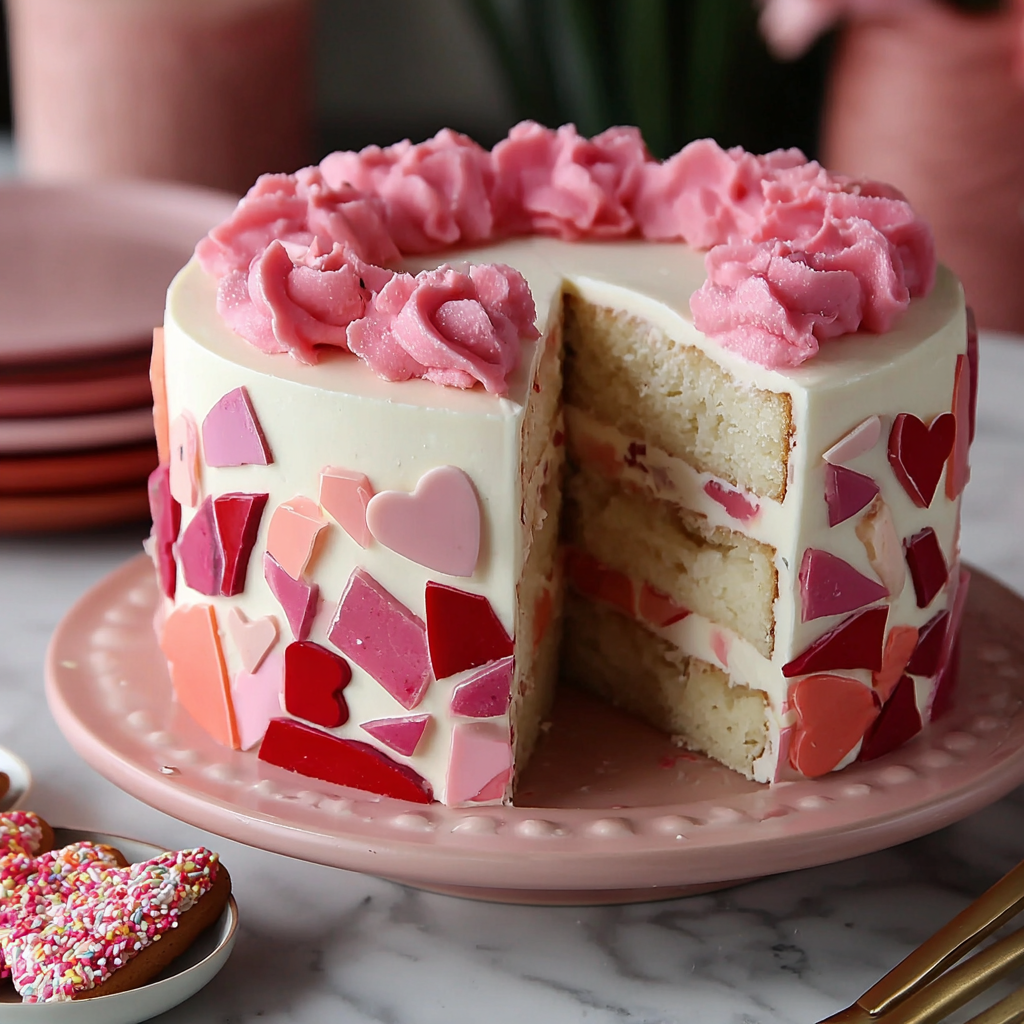
Create a Beautiful Valentine's Terrazzo Cake at Home
Ingredients
Method
- Prepare the cake batter.
- Combine dry ingredients.
- Incorporate wet ingredients.
- Combine dry and wet mixtures.
- Divide and color the batter.
- Layer the colored batters.
- Bake the cakes.
- Cool the cakes.
- Prepare the cream cheese frosting.
- Assemble the cake.
- Decorate the cake.
Notes
Additional serving suggestions: pair with a crisp salad, garlic bread, or roasted seasonal vegetables for balance.
For make-ahead, prep components separately and assemble just before heating to preserve texture.
Taste and adjust with acid (lemon/vinegar) and salt right at the end to wake up flavors.