Introduction
Lemon Meringue Layer Cake brings together the brightest flavors of lemon with a light, fluffy meringue and tender cake layers. This dessert not only looks stunning but also offers a perfect balance of sweet and tangy, making it a delightful centerpiece for any occasion.
As you embark on this baking adventure, you’ll discover the joy of creating a luscious lemon filling combined with airy meringue, all enveloped in soft cake layers. Each bite feels like a celebration, lit with the sun's brightness, perfect for spring or summer gatherings.
Ingredients
- 2 ½ cups all-purpose flour
The foundation of your cake, all-purpose flour provides structure while keeping the texture light when properly mixed. It ensures the cake layers rise beautifully and stay moist. - 1 ½ cups granulated sugar
Sugar adds sweetness and helps to create a tender cake through its interaction with the flour and fats. It also plays a vital role in the meringue, ensuring a smooth and glossy finish. - 1 cup unsalted butter, softened
Butter contributes to the cake's moisture and richness, lending flavor and a delicate crumb. It enhances the overall mouthfeel, making each bite heavenly. - 5 large eggs, separated
Eggs provide structure and moisture to the cake layers. The whites are whipped for the meringue, adding volume and a light texture, while the yolks enrich the cake mix. - 1 cup buttermilk
Buttermilk adds a subtle tang and keeps the cake layers moist. The acidity helps to tenderize the gluten, resulting in a softer crumb. - ½ cup fresh lemon juice
The fresh lemon juice is crucial for the bright, zesty flavor that defines this cake. It balances the sweetness and enhances overall freshness. - 2 tablespoons lemon zest
Lemon zest packs intense flavor, providing aromatic oils that elevate the lemon notes in the cake. It's the secret ingredient that adds depth to your dessert. - ½ teaspoon salt
Salt is essential for balancing flavors in pastry. It heightens the sweetness and complements the tartness of the lemon, ensuring a well-rounded taste. - 1 teaspoon baking powder
Baking powder is a leavening agent that ensures the cake rises properly. It helps create a light and airy texture that melds beautifully with the creamy meringue. - 1 teaspoon vanilla extract
Vanilla extract adds a warm undertone that enhances all the other flavors. It rounds off the cake, making each slice more appealing. - 1 ½ cups granulated sugar for meringue
Additional sugar is crucial for stabilizing the egg whites in the meringue, ensuring a firm yet light topping that holds its shape beautifully. - 1/4 teaspoon cream of tartar
Cream of tartar helps stabilize the whipped egg whites in the meringue, allowing it to achieve the desired volume and texture for a perfect topping.
Directions & Preparation
Step 1: Preheat the oven to 350°F (175°C). Prepare cake pans.
Preheating the oven ensures that the cake begins baking at the correct temperature, allowing for even rising and cooking. Greasing and lining the pans will prevent sticking, which is crucial for removing the delicate cake layers without damaging them.
Step 2: In a large bowl, cream together the butter and sugar until light and fluffy.
This step is essential for achieving a light cake. Creaming incorporates air into the butter and sugar mixture, providing the necessary leavening that helps the cake rise during baking. A fluffy mixture will create a tender crumb, so ensure you beat it well until pale.
Step 3: Add in the egg yolks and beat until smooth, then mix in buttermilk, lemon juice, and zest.
Incorporating the yolks enriches the cake batter, contributing moisture and color. Buttermilk adds a subtle tang, while lemon juice and zest ensure the cake has that signature bright flavor. Mix until fully blended for a uniform batter.
Step 4: In another bowl, whisk together flour, baking powder, and salt. Gradually add to the wet mixture.
Whisking the dry ingredients together evenly distributes the baking powder and salt, which is vital for proper leavening. Gradually adding the dry to the wet mixture ensures a smooth batter without lumps, avoiding overmixing which can lead to a dense cake.
Step 5: In a separate bowl, beat the egg whites with cream of tartar until soft peaks form.
Beating the egg whites establishes volume and lightness, crucial for the meringue's texture. Adding cream of tartar stabilizes the whipped egg whites, helping them hold their shape. Beat until soft peaks form for the best results.
Step 6: Gradually add granulated sugar to egg whites, beating until stiff peaks form.
This step creates a glossy, stable meringue. Gradually adding sugar allows it to dissolve properly into the egg whites. Continue beating until the mixture forms stiff peaks that hold their shape, ensuring the meringue won’t weep after baking.
Step 7: Fold the whipped egg whites into the cake batter gently.
Folding is a delicate process that combines the light meringue with the denser cake batter while minimizing the loss of air. This step is crucial to maintaining the cake's volume, resulting in a light and airy texture in the final product.
Step 8: Divide the batter evenly among the prepared pans and bake for 25–30 minutes.
Even division of the batter ensures consistent baking and layer thickness, which is important for structuring the cake. Baking time can vary, so check the cake with a toothpick around the 25-minute mark; it should come out clean when the cake is ready.
Step 9: Let the cakes cool in the pans for 10 minutes before transferring to a wire rack.
Allowing the cakes to cool slightly in the pans helps them firm up, making them easier to remove without breaking. A wire rack allows air to circulate around the cakes, which helps them cool evenly and prevents a soggy bottom.
Step 10: Prepare the lemon filling while the cakes cool.
This step involves creating a zesty lemon curd, which is essential for enhancing the flavor profile of your cake. The filling's smooth, creamy texture will contrast beautifully with the light, fluffy layers and meringue topping.
Step 11: Assemble the cake by layering the cooled cakes with lemon filling between them.
Assembling the cake correctly ensures that each slice captures the delicious contrast of fluffy cake and tangy lemon curd. Spread an even layer of lemon filling to maintain balance and prevent ooze during slicing.
Step 12: Spread meringue over the top of the assembled cake and swirl decoratively.
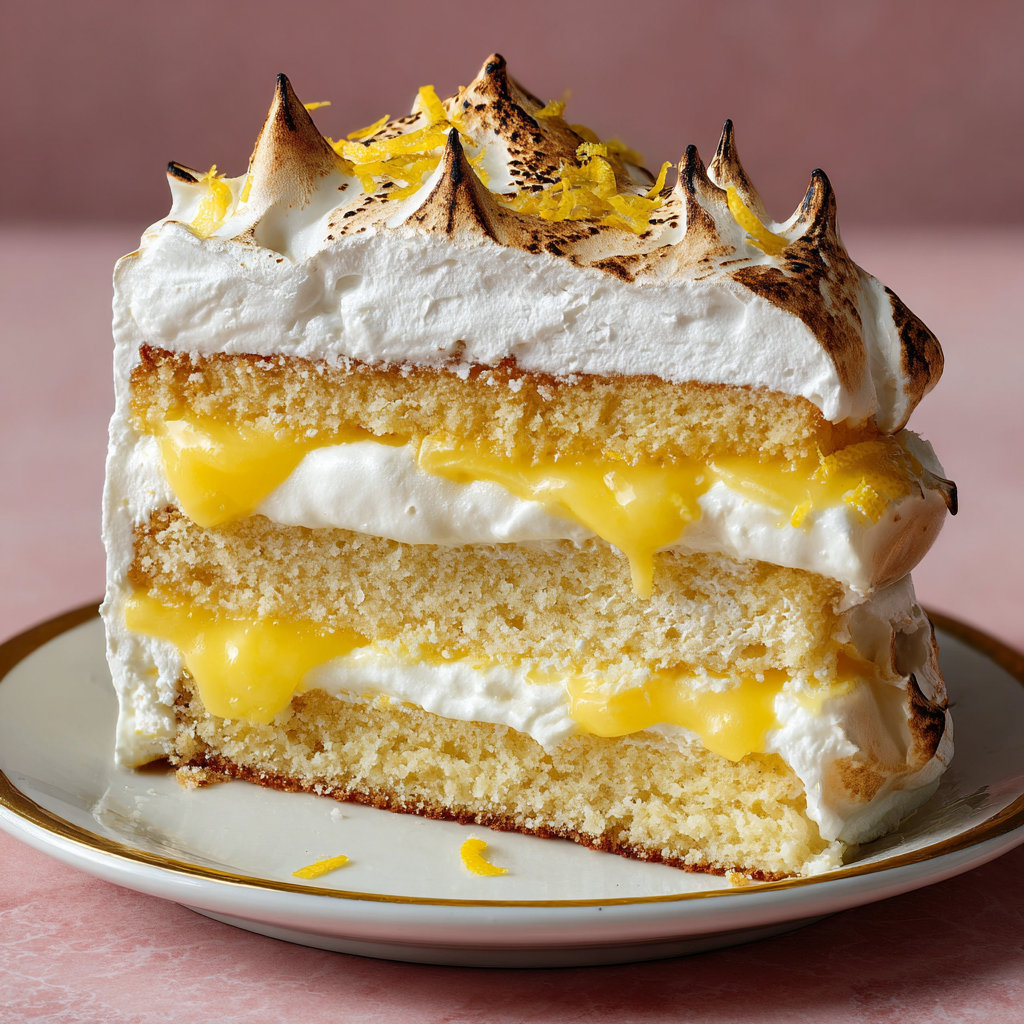
Meringue not only provides a sweet, airy contrast to the tart lemon filling but also adds an impressive visual appeal. Swirling the meringue creates peaks that can caramelize slightly during baking for added flavor and texture.
Step 13: Bake the assembled cake for another 10–15 minutes until the meringue is golden brown.
Baking the complete assembly allows the meringue to set while creating a beautiful golden crust. Monitor closely to prevent burning; the meringue is done when it has turned a lovely, toasted brown color and is firm to the touch.
Step 14: Let the cake cool completely before serving.
Cooling the cake completely allows the meringue to set fully and prevents it from collapsing. This step is key for serving since a warm cake could lose structure and make slicing difficult, ensuring that your presentation stays pristine.

Transforming Tartness with Flavor Balance
Lemon Meringue Layer Cake is a celebration of contrasts, combining the sharpness of lemon with the sweetness of meringue. The balance between tart and sweet is key to the cake’s success. The lemon filling should have just enough tartness to brighten up the dish without overpowering it, while the meringue offers a cloud-like sweetness that perfectly complements the zesty layers.
Mastering the Art of Meringue
Creating the perfect meringue is both an art and a science. Ensuring your mixing bowls and utensils are free of any grease is essential, as fat can inhibit egg whites from whipping properly. Beating the egg whites gradually while adding sugar creates a stable structure that is both soft and firm, allowing it to beautifully cloister the cake layers without collapsing.
Layering Techniques for Visual Appeal
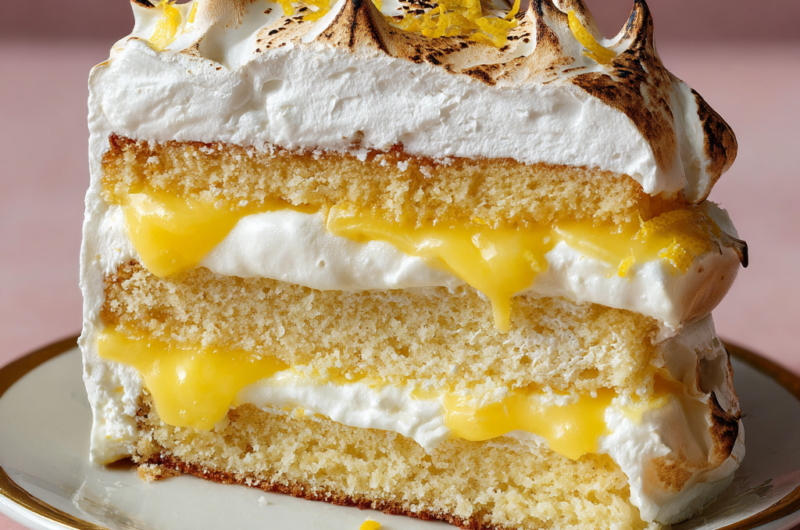
Layering the cake not only adds height and texture but is an opportunity to showcase the stunning contrast of colors. When stacking the layers, consider spreading the filling evenly and using a spatula to create distinct layers. This technique enhances the overall presentation, ensuring that each slice reveals a gorgeous display of the lemony filling contrasted against the fluffy cake and meringue.
FAQs
What can I do if my meringue is too runny?
If your meringue is too runny, it could be due to overbeating or not adding enough sugar. Rebeat the meringue until it reaches stiff peaks, ensuring sugar is fully dissolved.
How can I tell if my lemon filling is cooked properly?
The lemon filling is ready when it thickens enough to coat the back of a spoon and holds a clean line when you run your finger through it. It should not be too thin or lumpy.
What should I do if my cake layers are domed on top?
If your cake layers have domed tops, you can level them with a serrated knife once they have cooled. This ensures even stacking and better presentation.
Can I use store-bought lemon curd instead of making my own?
Yes, you can opt for store-bought lemon curd as a time-saver. Just ensure that its flavor is bright and fresh to match the layers.
What if my cake layers don't rise properly?
If your cake layers do not rise, double-check that your baking powder is fresh and active. Overmixing can also result in denser cakes, so be gentle when combining ingredients.
How can I make the lemon flavor stronger in the cake?
To enhance the lemon flavor, increase the lemon zest and juice slightly, but be careful not to disrupt the cake's moisture balance. A touch of lemon extract can also amplify the taste.
Conclusion
Crafting a Lemon Meringue Layer Cake is a rewarding process that yields both an exquisite flavor and a stunning visual treat. The combination of bright lemon, soft cake, and sweet meringue is sure to impress your family and friends.
Embrace the intricacies of this recipe, and don't hesitate to make it your own. Whether for a special occasion or a simple gathering, this cake is bound to bring joy and delight to those who enjoy it.
Recipe Card
Delightful Lemon Meringue Layer Cake Recipe
Ingredients
Method
- Preheat the oven to 350°F (175°C). Prepare cake pans.
- In a large bowl, cream together the butter and sugar until light and fluffy.
- Add in the egg yolks and beat until smooth, then mix in buttermilk, lemon juice, and zest.
- In another bowl, whisk together flour, baking powder, and salt. Gradually add to the wet mixture.
- In a separate bowl, beat the egg whites with cream of tartar until soft peaks form.
- Gradually add granulated sugar to egg whites, beating until stiff peaks form.
- Fold the whipped egg whites into the cake batter gently.
- Divide the batter evenly among the prepared pans and bake for 25–30 minutes.
- Let the cakes cool in the pans for 10 minutes before transferring to a wire rack.
- Prepare the lemon filling while the cakes cool.
- Assemble the cake by layering the cooled cakes with lemon filling between them.
- Spread meringue over the top of the assembled cake and swirl decoratively.
- Bake the assembled cake for another 10–15 minutes until the meringue is golden brown.
- Let the cake cool completely before serving.
Notes
Additional serving suggestions: pair with a crisp salad, garlic bread, or roasted seasonal vegetables for balance.
For make-ahead, prep components separately and assemble just before heating to preserve texture.
Taste and adjust with acid (lemon/vinegar) and salt right at the end to wake up flavors.