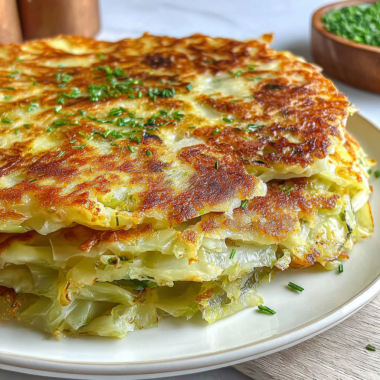
Introduction
Potato casserole is a classic dish that warms the heart and satisfies the soul. Its creamy texture and rich flavors make it a favorite for family gatherings, potlucks, and cozy dinners at home. A blend of tender potatoes, savory toppings, and aromatic herbs come together to create a meal that feels both indulgent and comforting.
This dish is not only versatile, allowing for various ingredients to suit your taste, but it also brings a sense of nostalgia to the table. Whether you're serving it as a side or the main attraction, potato casserole is sure to be a crowd-pleaser, inviting everyone to dive in for seconds.
Ingredients
- 4 large potatoes, peeled and diced
The foundation of your casserole, potatoes add creaminess and substance. Choose starchy potatoes like Russets for a fluffy texture or Yukon Golds for a buttery finish. - 1 cup sour cream
This ingredient brings a tangy richness, enhancing the overall flavor and moisture in the dish. It also contributes to a creamy texture that binds the ingredients together. - 1 cup shredded cheese (cheddar or your choice)
Cheese adds a delightful richness and savory depth. Melted cheese forms a golden crust on top, making the dish visually appealing and extra flavorful. - 1/2 cup milk
Milk helps to achieve a creamy consistency while balancing the flavors. It also aids in the even cooking of the potatoes, ensuring they become tender. - 1/2 cup chopped onions
Onions lend a gentle sweetness and acidity that complements the creaminess of the potatoes. They soften during baking, enhancing the overall flavor profile. - 1 teaspoon garlic powder
Garlic powder adds depth without the chunkiness of fresh garlic, giving a warm and inviting flavor throughout the casserole. - 1/2 teaspoon salt
Salt is essential for seasoning and enhancing the flavors of the ingredients. It helps to bring out the natural sweetness of the potatoes. - 1/4 teaspoon black pepper
Pepper adds a mild heat that balances the creaminess of the dish, ensuring the flavor is well-rounded and satisfying. - 1 cup crushed cornflakes (optional)
Cornflakes provide a crunchy texture on top, adding a delightful contrast to the soft potatoes beneath. They create a beautifully golden crust.
Directions & Preparation
Step 1: Preheat the oven to 350°F (175°C).
Preheating your oven is crucial for ensuring that your casserole cooks evenly from the start. As the oven heats, the ingredients will meld together beautifully, allowing the flavors to develop fully. Setting the temperature correctly helps achieve that perfect golden crust on top.
Step 2: Grease a 9×13 inch baking dish.
Greasing the baking dish ensures that your casserole comes out easily once it's baked. This step prevents sticking and makes serving much simpler. A non-stick spray or a light coating of butter will create the perfect barrier between the casserole and the dish.
Step 3: In a large bowl, combine the diced potatoes, sour cream, shredded cheese, milk, chopped onions, garlic powder, salt, and pepper.
Mixing these ingredients together allows the flavors to infuse properly before baking. Each component plays a crucial role in adding texture and taste. The potatoes provide bulk, while the dairy ingredients create that creamy, comforting texture.
Step 4: Transfer the mixture into the prepared baking dish and spread it evenly.
Ensuring even distribution of the mixture in the baking dish helps it cook uniformly. This means you won’t have some areas undercooked while others are overdone. Gently smoothing out the top also promotes even browning.
Step 5: If using, sprinkle crushed cornflakes on top of the potato mixture.
Cornflakes not only create a delicious crunchy topping but also encourage browning as they cook. This helps achieve an appealing texture contrast with the soft potatoes underneath. Be sure to distribute them evenly to cover the surface.
Step 6: Cover the dish with aluminum foil and bake for 30 minutes.
Covering the casserole in the initial phase of baking traps moisture, promoting even cooking and preventing the top from over-browning too soon. This allows the flavors to meld beautifully while keeping the potatoes from drying out.
Step 7: Remove the foil and bake for an additional 15-20 minutes, until the top is golden brown.
Uncovering the casserole allows the top to become deliciously crisp and golden. Keep an eye on it during this phase to ensure it doesn’t burn, as oven temperatures can vary. The goal is a perfect browning that signals the dish is ready.
Step 8: Let the casserole cool for 10 minutes before serving.
Allowing the casserole to rest after baking helps it set, making it easier to scoop and serve. The cooling period doesn’t compromise the temperature; rather, it enhances the flavors, making each bite even more enjoyable.

Elevating Your Potato Casserole With Herbs
Incorporating fresh herbs like thyme, rosemary, or chives can take your potato casserole to the next level. These herbs add aromatic complexity, enhancing the overall flavor profile of the dish. Simply chop and mix them into your potato blend before baking to enjoy a burst of freshness with every bite.
Exploring Variations with Different Cheeses
Experimenting with different cheeses can transform the flavor of your casserole. Consider using a mix of mozzarella for stretchiness, or a sharp gouda for a smoky undertone. Each cheese brings its unique character and can complement the creamy base beautifully, offering a delightful variation to this classic dish.
Adding Protein for a Heartier Meal
For those looking to make potato casserole a full meal, adding proteins like cooked bacon, ham, or even sautéed vegetables provides extra substance. This not only enhances the nutritional value but also creates a more complex flavor profile. Simply fold in your choice of protein into the potato mixture before baking.
FAQs
What can I do if my casserole is too dry?
If your casserole is dry, try adding a splash of milk or cream before serving. Stir gently to incorporate and allow it to rest for a moment to absorb.
Can I make this dish vegetarian?
Absolutely! Skip any meat ingredients and focus on adding more vegetables or legumes for texture and flavor. You could use mushrooms or spinach for great results.
What should I do if my casserole is too bland?
If you find your casserole lacking in flavor, consider adding more seasoning, such as additional salt, pepper, or even some fresh herbs for an aromatic boost.
Can I use a different type of potato for this dish?
Yes, you can use red potatoes or fingerlings, but starchy varieties like Russets or Yukon Golds yield the best texture and creaminess.
How can I tell when the casserole is fully cooked?
The casserole is done when the potatoes are tender, and the top is golden brown. You can check by piercing it with a fork; it should slide in easily.
Can I prepare the potato mixture a day ahead?
Yes, you can prepare the potato mixture a day in advance and store it in the refrigerator. Just remember to bake it longer if there's a chill in the dish.
Conclusion
Potato casserole is more than just a dish; it’s a staple that binds families together over hearty meals. The warm, creamy layers offer comfort, while its adaptability allows for personal touches that reflect your culinary style.
So whether you’re serving it at a festive gathering or a simple weeknight dinner, this potato casserole will surely be a hit. Enjoy experimenting with flavors and variations, knowing that each version brings its own unique joy to the table.
Recipe Card

Delicious and Comforting Potato Casserole Recipe
Ingredients
Method
- Preheat the oven to 350°F (175°C).
- Grease a 9x13 inch baking dish.
- In a large bowl, combine the diced potatoes, sour cream, shredded cheese, milk, chopped onions, garlic powder, salt, and pepper.
- Transfer the mixture into the prepared baking dish and spread it evenly.
- If using, sprinkle crushed cornflakes on top of the potato mixture.
- Cover the dish with aluminum foil and bake for 30 minutes.
- Remove the foil and bake for an additional 15-20 minutes, until the top is golden brown.
- Let the casserole cool for 10 minutes before serving.
Notes
Additional serving suggestions: pair with a crisp salad, garlic bread, or roasted seasonal vegetables for balance.
For make-ahead, prep components separately and assemble just before heating to preserve texture.
Taste and adjust with acid (lemon/vinegar) and salt right at the end to wake up flavors.