Introduction
Orange crinkle cookies are a delightful twist on the classic version, bringing a burst of citrus flavor that’s sure to elevate your baking. Their unique texture combines a crispy exterior with a soft, chewy center, creating an irresistible treat that’s perfect for sharing.
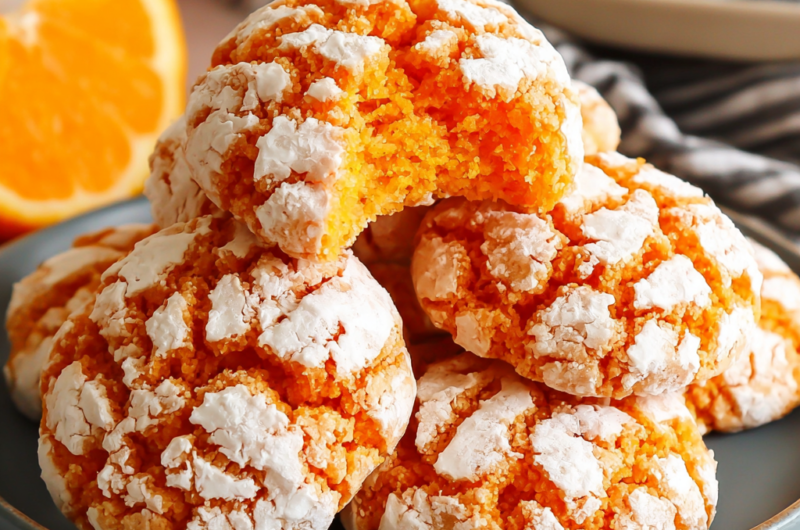
These cookies are not only visually stunning with their crinkled, powdered sugar tops, but they also fill your kitchen with a refreshing aroma. Whether you’re preparing for a gathering or simply craving a homemade sweet, orange crinkle cookies will impress every time.
Ingredients
- 2 cups all-purpose flour
Flour is the backbone of the cookie, providing structure and stability. It contributes to the chewiness that defines crinkle cookies while also allowing them to retain moisture during baking. - 1 1/2 teaspoons baking powder
Baking powder is a leavening agent that helps the cookies rise. It reacts with the wet ingredients, creating air bubbles that make the cookies fluffy while maintaining a tender crumb. - 1/2 teaspoon salt
Salt enhances the flavors and balances the sweetness of the cookies. It also helps to strengthen the gluten in the flour, contributing to a better texture. - 1/2 cup unsalted butter, softened
Butter adds richness and moisture to the cookies. It creates a tender texture and contributes to the wonderful flavor, helping to carry the citrus notes throughout. - 1 cup granulated sugar
Sugar not only sweetens the cookies but also influences their texture. It helps to create the crispy edges and enhances the overall browning during baking. - 1 large egg
Eggs provide moisture and act as a binding agent, holding the ingredients together. They also add richness and contribute to the cookies' soft texture. - Zest of 1 large orange
Orange zest is crucial for infusing the cookies with a bright, citrusy flavor. It adds aromatic oils, enhancing the overall taste and giving the crinkles their distinct identity. - 1/4 cup fresh orange juice
Fresh orange juice adds moisture and a vibrant orange flavor that complements the zest. It balances the sweetness and gives the cookies a slightly tangy kick. - Powdered sugar for rolling
Powdered sugar gives the cookies their characteristic crinkly appearance. When rolled in it before baking, it creates a delightful contrast of flavors and textures.
Directions & Preparation
Step 1: Preheat your oven to 350°F (175°C).
Preheating the oven is an essential first step for any baking project, including these cookies. This ensures that the cookies start baking immediately upon entering the oven, which helps achieve the desired texture and rise. An oven thermometer can confirm that your oven's temperature is accurate.
Step 2: In a medium bowl, whisk together the flour, baking powder, and salt.
Whisking the dry ingredients together helps to evenly distribute the baking powder and salt throughout the flour. This prevents clumping and contributes to a uniform rise, ensuring that each cookie bakes consistently.
Step 3: In a large bowl, cream together the softened butter and granulated sugar until light and fluffy.
Creaming the butter and sugar together is crucial for incorporating air into the mixture, which creates a tender and light texture. The mixture should be pale in color and fluffy, indicating that it has been beaten sufficiently. This step is also where the butter begins to melt slightly, which helps create a soft cookie.
Step 4: Add the egg, orange zest, and orange juice to the butter-sugar mixture, mixing until fully incorporated.
Adding the egg, zest, and juice to the creamed mixture boosts the flavor profile and ensures everything is well combined. This mixture will provide the moisture needed for the cookie dough, while also allowing the delicious citrus aromas to rise.
Step 5: Gradually add the dry ingredients to the wet ingredients, mixing until just combined.
Mixing your dry and wet ingredients together should be done slowly to prevent overworking the dough. Overmixing can lead to tough cookies due to the development of gluten, which is undesirable in a soft, chewy cookie.
Step 6: Cover the dough and refrigerate for at least 30 minutes.
Refrigerating the dough allows the flavors to meld and the butter to firm up slightly, which aids in shaping better cookies. This chill time also helps prevent the cookies from spreading too much during baking, maintaining their lovely shape.
Step 7: Scoop tablespoon-sized amounts of dough and roll into balls.
Scoop evenly sized balls to ensure uniform baking. Rolling them in your hands helps create a smooth surface which will better catch the powdered sugar later. The even size guarantees that all cookies will bake at the same rate.
Step 8: Roll the dough balls in powdered sugar to coat them completely.
Coating the dough balls in powdered sugar not only gives the cookie its signature look but also contributes to its texture. The sugar creates a lovely contrast between the soft interior and the slightly crisp outer surface, enhancing the overall eating experience.
Step 9: Place the coated dough balls on a lined baking sheet, approximately two inches apart.
Spacing the cookies properly on the baking sheet allows for even air circulation during baking, preventing them from running into one another. This ensures they can rise and crinkle beautifully without merging together.
Step 10: Bake for 10-12 minutes or until edges are lightly golden.
Bake the cookies until the edges turn golden-brown. The centers may seem soft, but they will continue to bake on the sheet after removal due to carryover heat. Erring on the side of underbaking ensures a soft and chewy center.
Step 11: Allow cookies to cool on the baking sheet for 5 minutes before transferring to a wire rack.
Letting the cookies rest on the baking sheet allows them to set slightly, which prevents them from breaking when moved. After this brief cooling, transferring to a wire rack helps them firm up completely while allowing air to circulate around them, preventing sogginess.

A Burst of Citrus Bliss
The bright, tangy flavor of orange zest and juice makes these cookies a refreshing treat. Unlike traditional chocolate flavors, the citrus notes offer a unique twist that pairs wonderfully with coffee or tea. Each bite delivers a reminder of warm, sunny days, infusing your baking with a sense of cheerfulness.
Perfectly Crinkled Delights
The iconic crinkle effect is not only visually appealing but crucial for the cookie's texture. This charming design occurs due to the powdered sugar forming a barrier on the surface, preventing the dough from spreading too quickly. This distinctive feature not only adds an impressive element to the presentation but also creates delightful contrasting textures.
Versatile and Adaptable
These orange crinkle cookies are far from one-dimensional. While they shine on their own, the recipe can be modified to suit different palates. Consider adding white chocolate chips for a creamier profile, or incorporating nuts for added crunch, allowing you to tailor each batch to your preferences.
FAQs
What if the dough is too sticky to handle?
If the dough feels overly sticky, refrigerate it for an additional 10-15 minutes. This helps firm it up, making it much easier to scoop and shape.
Can I substitute lemon juice for orange juice?
Absolutely! Lemon juice will add a different citrus flavor, giving a refreshing twist to the cookies. Just remember to adjust the zest accordingly for balance.
Why are my cookies too flat after baking?
Flat cookies can result from too much butter or not enough flour. Ensure your measurements are accurate, and consider chilling the dough longer to prevent excessive spreading.
Can I use dried orange peel instead of fresh zest?
While dried orange peel can work in a pinch, fresh zest provides a more vibrant and aromatic flavor that's essential for this recipe. If using dried, reduce the amount to avoid overpowering the cookies.
What happens if I overbake the cookies?
Overbaked cookies will lose their soft, chewy texture and may become dry and hard. Keep a close eye on them, removing them from the oven while the centers still appear slightly underdone.
Do I need to sift the dry ingredients?
Sifting is not mandatory but can help remove any lumps and ensure a light texture. If you haven’t sifted flour before measuring, consider doing so to achieve optimal results.
Conclusion
Orange crinkle cookies are an inviting treat that bring a delightful twist to your dessert table. Their vibrant flavor and charming appearance make them suitable for celebrations or simple afternoons at home.
With just a few ingredients and straightforward steps, you can create a batch that fills your home with warmth and joy. Enjoy them fresh out of the oven or share with friends and family for an extra touch of sweetness in your day.
Recipe Card
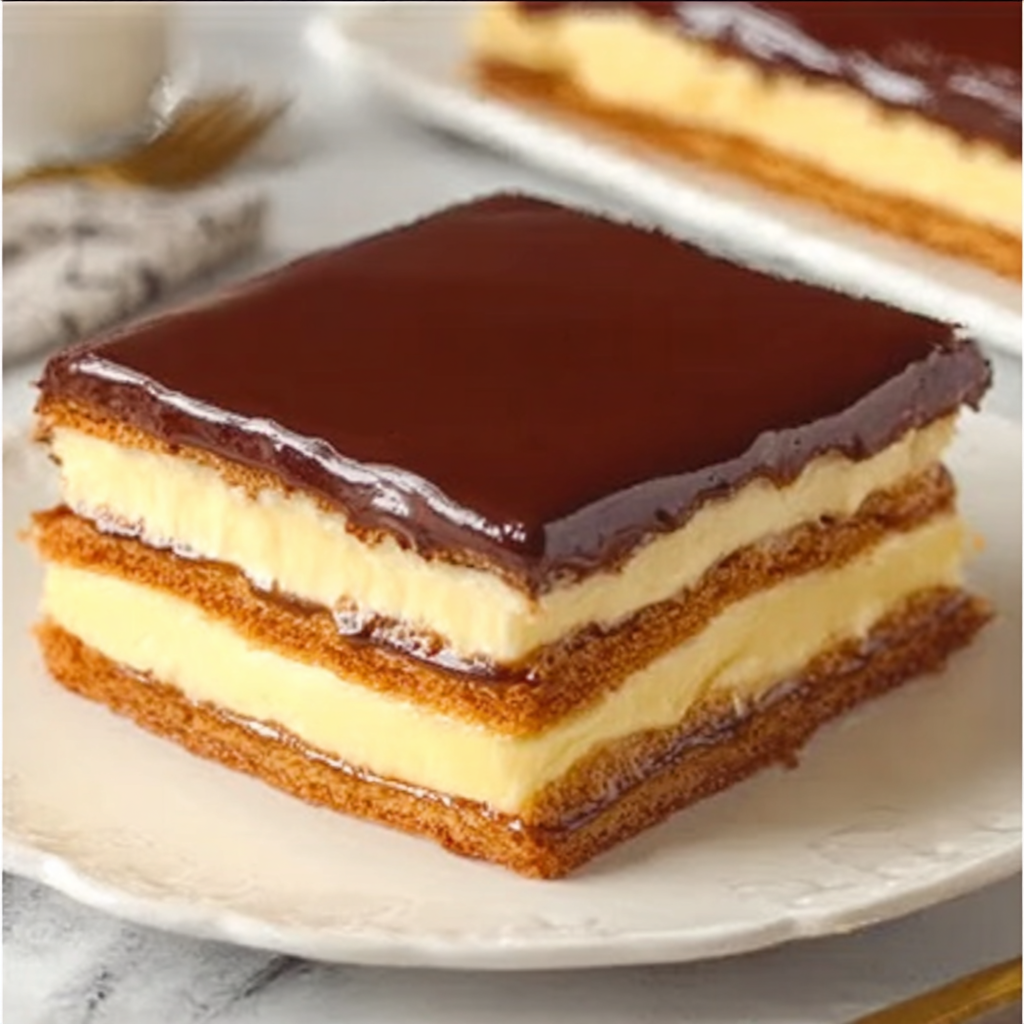
Deliciously Decadent Chocolate Eclair Cake Recipe
Ingredients
Method
- Prepare the pudding mixture.
- Fold in the whipped topping.
- Layer the graham crackers.
- Spread half of the pudding mixture.
- Add another layer of graham crackers.
- Spread the remaining pudding mixture.
- Top with a final layer of graham crackers.
- Frost with chocolate frosting.
- Chill the cake.
Notes
Additional serving suggestions: pair with a crisp salad, garlic bread, or roasted seasonal vegetables for balance.
For make-ahead, prep components separately and assemble just before heating to preserve texture.
Taste and adjust with acid (lemon/vinegar) and salt right at the end to wake up flavors.