Introduction
Lemon sweet rolls are a delightful twist on traditional sweet rolls, offering a zesty burst of citrus flavor that can elevate any meal. Their soft, pillowy texture combined with the bright, tangy notes of lemon makes them a perfect treat for breakfast or an afternoon snack.
This recipe captures the essence of spring with vibrant lemon flavors that dance on your palate, complemented by a sweet glaze. The flaky dough, when baked to golden perfection, creates an irresistible aroma that will entice anyone nearby to join in on the indulgence.
Whether enjoyed fresh out of the oven or at room temperature, these lemon sweet rolls are sure to become a favorite in your home. Let's dive into the ingredients and methods to create this delicious treat.
Ingredients
- 4 cups all-purpose flour
All-purpose flour is the backbone of the dough, providing structure and texture. It allows for a light yet sturdy roll that can hold the luscious filling and glaze without becoming too dense. - 1/4 cup granulated sugar
Sugar not only sweetens the roll but also aids in the browning process during baking. It enhances flavor and helps create a tender crumb as it interacts with the yeast. - 2 1/4 teaspoons instant yeast
Instant yeast is crucial for leavening the rolls, allowing them to rise and become fluffy. Its rapid action ensures a quick rise, making preparation smoother and faster for home cooks. - 1/2 teaspoon salt
Salt balances the flavors in the dough while also strengthening the gluten structure. It helps improve the overall taste and texture of the rolls. - 1 cup milk, warmed
Warm milk activates the yeast and helps hydrate the flour, leading to a softer dough. It adds richness to the rolls, making them more tender and flavorful. - 1/4 cup unsalted butter, melted
Melted butter enriches the dough, contributing to a moist, flavorful roll. It also helps create a soft texture by coating the flour and shortening the gluten strands. - 2 large eggs
Eggs add structure and moisture to the rolls, enriching the flavor and contributing to a soft crumb. They also act as a binder to hold the other ingredients together. - Zest of 2 lemons
Lemon zest brings a vibrant, aromatic quality to the rolls. It infuses the dough with a concentrated lemon flavor without adding extra liquid, enhancing overall taste. - 1/2 cup fresh lemon juice
Fresh lemon juice adds brightness and acidity, balancing the sweetness of the dough. It ensures that the rolls have a fresh, zesty flavor that defines their character. - 1 cup powdered sugar (for glaze)
Powdered sugar is used for the glaze, creating a smooth and sweet topping. It dissolves easily in liquids, creating a silky texture that enhances the sweetness of the rolls. - 2 tablespoons lemon juice (for glaze)
Additional lemon juice in the glaze reinforces the citrus flavor and adds a tangy contrast to the sweetness of the powdered sugar, keeping the glaze light and refreshing.
Directions & Preparation
Step 1: Activate the yeast.
In a bowl, combine the warm milk with the sugar and instant yeast. Stir gently and allow it to sit for about 5-10 minutes until it becomes frothy. This step is crucial as it wakes up the yeast, ensuring that your rolls will rise beautifully and become light and fluffy.
Step 2: Combine dry ingredients.
In a mixing bowl, whisk together the all-purpose flour and salt. This integration helps distribute the salt evenly throughout the flour, preventing any possibility of uneven rises or flavors in your dough. Prepare your workspace for mixing.
Step 3: Mix wet and dry ingredients.
Once the yeast mixture is frothy, add melted butter, eggs, lemon zest, and lemon juice to the bowl. Gradually incorporate the dry ingredients into the wet mixture with a wooden spoon or spatula. The aim here is to create a cohesive dough without overworking it, which can lead to tougher rolls.
Step 4: Knead the dough.
Turn the dough out onto a floured surface and knead for about 6-8 minutes until smooth and elastic. Kneading develops gluten, which gives the rolls their structure and chew. Proper kneading is essential for a tender roll that still has body.
Step 5: First rise.
Place the kneaded dough in a lightly oiled bowl, cover it with a damp cloth or plastic wrap, and let it rise in a warm area for about an hour, or until doubled in size. This first rise, known as fermentation, develops flavor and creates air pockets that will make your rolls fluffy.
Step 6: Prepare to shape the rolls.
After the dough has risen, punch it down gently to release excess air. Turn the dough out onto a floured surface and roll it into a large rectangle. This step is important for shaping the rolls evenly and forming the layers that will create a soft texture.
Step 7: Roll and fill.
Spread the filling, which can be composed of more sugar and lemon zest, evenly over the rolled-out dough. Starting from one long edge, roll the dough tightly into a log. This technique helps create that beautiful swirl in the center of each roll, making them visually appealing.
Step 8: Cut the rolls.
Using a sharp knife or dental floss, slice the log into even pieces, about 1 inch thick. Making clean cuts is vital for showcasing the swirls when baked and ensures even baking. Place the cut rolls on a parchment-lined baking tray.
Step 9: Second rise.
Cover the cut rolls with plastic wrap and allow them to rise again for 30-45 minutes. This second rise enhances the fluffiness of the rolls as they continue to develop. The temperature and humidity in your space can affect how long this rise takes, so keep an eye on them.
Step 10: Bake the rolls.
Preheat your oven to 375°F (190°C). Bake the rolls for 20-25 minutes, or until they are golden brown and sound hollow when tapped. This step transforms the dough into delicious rolls while ensuring the insides are cooked through and fluffy.
Step 11: Make the glaze.
While the rolls are baking, mix the powdered sugar and lemon juice in a small bowl until smooth. A well-balanced glaze enhances the sweetness of the rolls while infusing them with delightful lemon flavor, tying the whole recipe together beautifully.
Step 12: Glaze the rolls.
Once the rolls are out of the oven, allow them to cool slightly before drizzling the lemon glaze over the top. The warmth of the rolls helps the glaze melt slightly into the crevices, creating a deliciously sweet and tangy topping that adds the finishing touch to this delightful treat.

Creating the Perfect Lemon Filling
The filling for lemon sweet rolls can take your baking to the next level. A mixture of sugar, lemon zest, and butter creates a rich and flavorful interior that truly complements the dough. To enhance the flavor, consider adding a hint of vanilla or even a touch of cream cheese for extra richness. The balance of sweetness from the sugar and tanginess from the lemon zest is key in achieving an irresistible filling.
Tips for a Fluffy Roll Texture
Achieving the perfect fluffy roll texture in your lemon sweet rolls relies heavily on two factors: kneading and rising time. Knead the dough until it is smooth and elastic, which ensures the gluten develops correctly. Additionally, allowing the dough to rise until it has doubled in size is crucial. Pay attention to the dough; it should feel airy and soft. If your environment is cool, consider placing the dough in a warm area to encourage rising.
Experimenting with Flavors
While the classic lemon flavor takes center stage, don't hesitate to experiment with other additions. Incorporating berries, such as blueberries or raspberries, can add a new dimension of flavor. You might also consider swapping the citrus juice for orange or lime for a different twist. These variations can create delightful surprises that keep your taste buds excited while maintaining the essential sweet roll charm.
FAQs
What should I do if my dough is too sticky?
If your dough is sticky, knead in a bit more flour, a tablespoon at a time, until it becomes manageable. Avoid adding too much flour, as this can make the rolls dense.
Can I lessen the sweetness of the glaze?
Absolutely! If you prefer a less sweet glaze, simply reduce the amount of powdered sugar or increase the lemon juice to create a tangier, more balanced topping.
Why are my rolls doughy in the center?
Doughy centers often occur when rolls are underbaked. Ensure they are fully baked until they are golden brown and sound hollow when tapped, and verify the internal temperature reaches 190°F (88°C).
What if I want to scale the recipe down?
To scale the recipe down, simply halve the ingredient amounts while maintaining the same proportions. This allows you to make a smaller batch without altering the method.
How can I add a savory flavor twist?
Consider adding herbs like rosemary or thyme to the dough or glaze for a unique savory flavor profile. This complements the lemon and offers a delightful contrast.
Can I use bottled lemon juice instead of fresh?
While fresh lemon juice gives the best flavor, bottled juice can work in a pinch. Be aware that it might be less vibrant and flavorful than fresh juice.
What texture should the dough have before rising?
Before rising, the dough should be smooth, elastic, and slightly tacky but not sticky. It should hold its shape when formed into a ball, indicating proper hydration and gluten development.
Conclusion
Lemon sweet rolls are a delightful fusion of sweetness and citrus tang, making every bite a special treat. The soft texture and bright flavor profile can transform breakfast into a joyous occasion or serve as a comforting dessert.
With this recipe, you can create not just rolls but memorable moments shared with family and friends. Embrace the joy of baking and enjoy the delightful rewards of your hard work.
Recipe Card
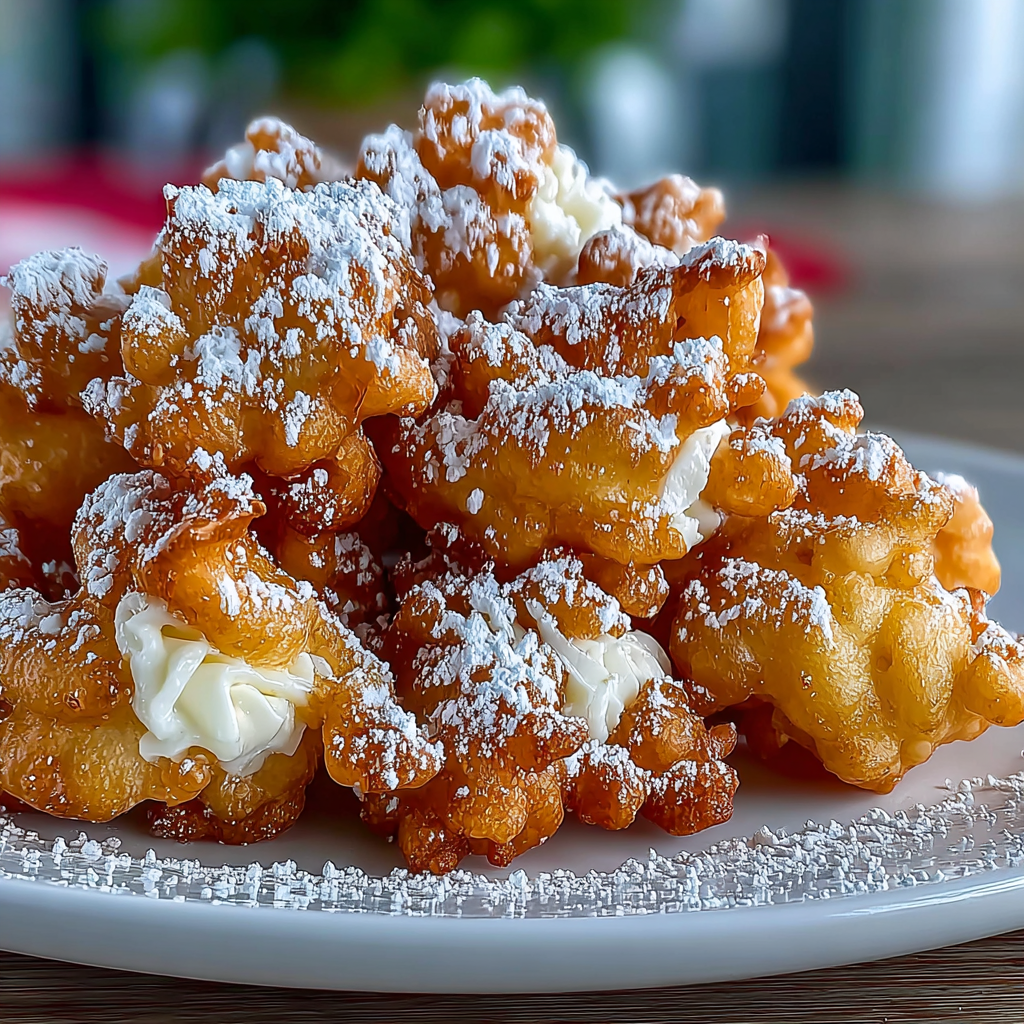
Deliciously Simple Air Fryer Funnel Cake Bites
Ingredients
Method
- Prepare the batter.
- Preheat the air fryer.
- Pipe the batter.
- Air fry the bites.
- Dust with powdered sugar.
Notes
Additional serving suggestions: pair with a crisp salad, garlic bread, or roasted seasonal vegetables for balance.
For make-ahead, prep components separately and assemble just before heating to preserve texture.
Taste and adjust with acid (lemon/vinegar) and salt right at the end to wake up flavors.