Introduction
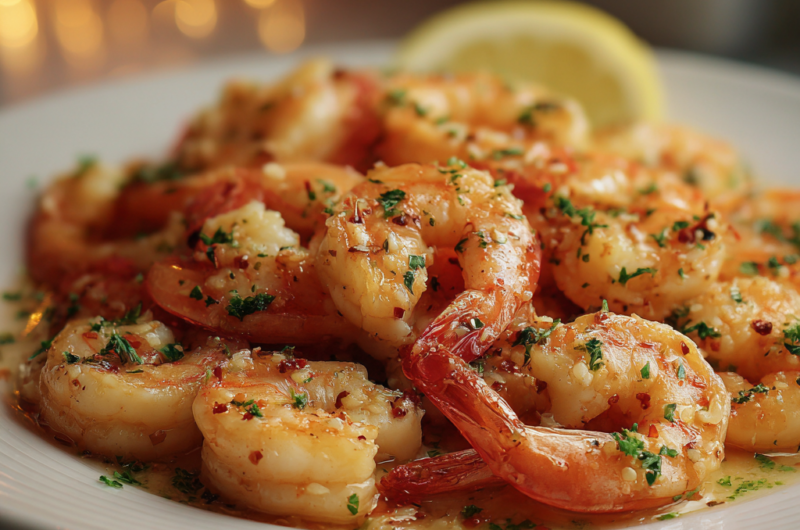
Shrimp scampi is a classic dish that highlights the delicate flavors of shrimp, complemented by garlic, butter, and a hint of lemon. This dish is a staple of Italian-American cuisine and can elevate any weeknight dinner to a special occasion.
The beauty of shrimp scampi lies in its simplicity. With a handful of fresh ingredients and a quick cooking time, you can create a dish that feels indulgent without the hassle of intricate preparation. The magic comes from balancing the richness of butter with the brightness of lemon and the fragrant allure of garlic.
Ingredients
- 1 pound large shrimp, peeled and deveined
Shrimp serves as the star protein in this dish, offering a sweet, briny flavor and a tender texture when cooked properly. Opt for high-quality shrimp; fresh or properly frozen will both deliver exceptional results. - 8 ounces linguine or spaghetti
Pasta acts as a perfect base, absorbing the sauce while providing a hearty component. Linguine or spaghetti are traditional choices, but feel free to experiment with other pasta types that you enjoy. - 4 tablespoons unsalted butter
Butter is crucial for creating a rich, silky sauce that envelops the shrimp and pasta. Unsalted is ideal, allowing you to control the overall salinity of the dish. - 3 tablespoons olive oil
Olive oil adds depth and a fruity flavor to the dish. It also helps to sauté the garlic without burning, complementing the richness of the butter. - 4 cloves garlic, minced
Garlic is the aromatic backbone of shrimp scampi, providing that beloved savory punch. Freshly minced garlic will infuse the oil and butter with its flavor, offering a delightful aroma during cooking. - 1 teaspoon red pepper flakes
Red pepper flakes add a pleasant heat to the dish, balancing the richness with a hint of spice. Adjust the amount based on your heat preference; it's a great way to personalize the dish. - Juice of 1 lemon
Lemon juice brightens the entire dish with its acidity, cutting through the richness of the butter and enhancing the natural sweetness of the shrimp. Freshly squeezed is recommended for the best flavor. - Zest of 1 lemon
Lemon zest contributes an intense citrus aroma and flavor, reinforcing the lemon juice without adding any liquid. It elevates the dish and provides a fragrant finish. - Salt and pepper, to taste
Seasoning the dish correctly with salt and pepper ensures the flavors of the shrimp and sauce shine through. Adjust according to your taste preferences, keeping in mind the saltiness of the butter and broth. - Fresh parsley, chopped, for garnish
Parsley adds a pop of color and fresh flavor as a garnish, enhancing the overall presentation. It also serves as a vibrant contrast to the rich sauce, making the dish more inviting.
Directions & Preparation
Step 1: Cook the pasta according to package instructions.
Begin by cooking the pasta until al dente. This step is crucial as it ensures the pasta maintains its shape and texture in the final dish. Reserve about a cup of the pasta water before draining, as this starchy water will help emulsify the sauce and bind it to the pasta. Toss the pasta lightly in olive oil to prevent sticking while you prepare the shrimp.
Step 2: Sauté the garlic and red pepper flakes.
In a large skillet, heat olive oil and butter over medium heat. Once the butter melts and begins to bubble, add the minced garlic and red pepper flakes. This step infuses the oil with garlicky goodness and adds a warm heat to the dish. Watch carefully to avoid burning the garlic, as it can turn bitter. Stir frequently until the garlic is fragrant and golden.
Step 3: Add the shrimp to the skillet.
Increase the heat to medium-high and add the shrimp to the skillet. Cook for about 2-3 minutes on each side until they turn pink and opaque. This step is essential for achieving perfectly cooked shrimp; overcooking can lead to rubbery texture. Once the shrimp are cooked, they will release their juices, contributing to the sauce.
Step 4: Incorporate lemon juice and zest.
Once the shrimp are cooked, deglaze the skillet with the lemon juice and add the zest. This step brightens the flavors and adds acidity to cut through the richness of butter. Ensure to scrape up any brown bits stuck to the bottom of the skillet, as they add depth to your sauce.
Step 5: Combine pasta and shrimp mixture.
With the shrimp and sauce ready, introduce the cooked pasta into the skillet. Toss everything together gently, allowing the pasta to absorb the flavors from the sauce. If the mixture is too thick, add a splash of reserved pasta water to achieve the desired consistency. This step is vital, as it ensures every strand of pasta is coated in the flavorful sauce.
Step 6: Season and garnish before serving.
Taste the dish and adjust seasoning with salt and pepper as necessary. Finishing with a sprinkle of freshly chopped parsley adds a lovely color and fresh flavor. This final step not only enhances the presentation but also ties together all the flavors of the dish. Serve immediately for the best taste and texture.

The Perfect Shrimp: Sourcing and Preparing
Selecting the right shrimp is crucial for a dish like shrimp scampi. Fresh shrimp should have a mild sea scent, no signs of discoloration, and a firm texture. When preparing shrimp, make sure they are properly peeled and deveined to avoid any gritty textures. If using frozen shrimp, thaw them in the refrigerator overnight for the best results, ensuring they retain their moisture.
Balancing Flavors: Mastering Garlic and Spice
Garlic is the heart of shrimp scampi, but mastering its flavor requires attention. Avoid overcooking the garlic; a quick sauté until fragrant is all that’s needed to prevent bitterness. The addition of red pepper flakes introduces an exciting warmth, but be mindful of the quantity—start small if you’re unsure and adjust to your taste. Finding the right balance between garlic, heat, and acidity creates a harmonious dish.
The Art of Sauce: Emulsifying Techniques
The sauce in shrimp scampi is delicate, requiring proper emulsification to achieve a creamy texture without cream. The starchy pasta water plays a vital role in this process, so never skip that step. By combining the reserved pasta water gradually, you can create a silky sauce that clings beautifully to the shrimp and pasta. This technique is key to a restaurant-quality scampi experience at home.
FAQs
What if my sauce is too thick?
If your sauce turns out too thick, gradually add reserved pasta water, a tablespoon at a time, until you reach your desired consistency. This starchy water helps to loosen the sauce and keep it flavorful.
How can I adjust the garlic intensity?
To adjust the garlic's intensity, simply reduce the amount of minced garlic you use. Start with one or two cloves instead of four and taste as you go, adding more if you desire a stronger flavor.
Why did my shrimp turn rubbery?
Rubbery shrimp typically result from overcooking. Make sure to keep an eye on the shrimp as they cook, and remove them from the heat as soon as they are pink and opaque, which usually takes just a few minutes.
Can I double the recipe for a large gathering?
Absolutely! When scaling the recipe, ensure your skillet is large enough to accommodate all ingredients, or cook in batches. Maintain the same ratios for each ingredient to retain the flavor balance.
What types of pasta pair best with shrimp scampi?
While linguine and spaghetti are traditional choices, any long pasta like fettuccine or bucatini works beautifully. It's all about personal preference and what you have on hand.
How do I keep the pasta from clumping?
To prevent pasta from clumping, make sure to toss it with olive oil right after draining. Additionally, stirring occasionally during cooking can help keep the strands separate.
Conclusion
Shrimp scampi is a delightful dish that combines simplicity and exquisite flavors, making it a perfect choice for both casual dinners and special occasions. With a few quality ingredients and a mindful approach to cooking, you can create a restaurant-style experience in your own kitchen.
As you master this recipe, feel free to explore variations and personalize it to your taste. Whether you add extra vegetables, switch up the pasta, or scale the heat, shrimp scampi is a versatile dish that can accommodate your culinary preferences.
Recipe Card
Notes
Additional serving suggestions: pair with a crisp salad, garlic bread, or roasted seasonal vegetables for balance.
For make-ahead, prep components separately and assemble just before heating to preserve texture.
Taste and adjust with acid (lemon/vinegar) and salt right at the end to wake up flavors.