Introduction
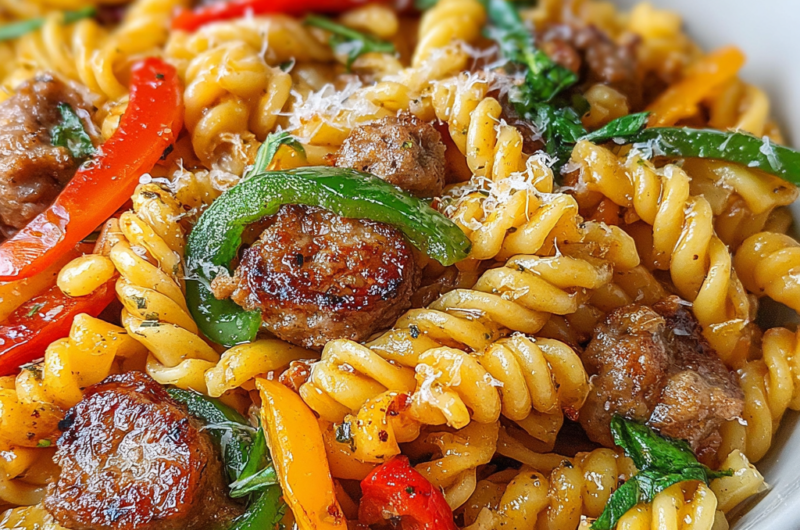
Italian Sausage and Peppers Pasta is a delightful dish that tantalizes the taste buds with its robust flavors and comforting textures. This pasta is not only a crowd-pleaser but also a quick and satisfying meal, making it ideal for weekday dinners or casual gatherings. The melding of spices from the sausage, sweetness from the peppers, and the heartiness of pasta create a dish that's entirely irresistible.
The beauty of this recipe lies in its simplicity and versatility. It allows home cooks to customize the dish based on seasonal ingredients or personal preferences, whether that involves adjusting the type of sausage, incorporating different vegetables, or experimenting with various pasta shapes. As you engage in this culinary endeavor, anticipate the delightful aromas that will soon fill your kitchen.
Ingredients
- 12 oz rigatoni or penne pasta
Choosing the right pasta shape enhances the overall dish; ridges in rigatoni or penne help trap the sauce effectively. - 1 lb Italian sausage (sweet or spicy)
This key ingredient infuses the dish with savory depth and distinct flavor. The choice between sweet or spicy sausage will define the dish's overall character. - 2 tablespoons olive oil
Olive oil adds richness and helps sauté the vegetables, bridging all flavors together while providing a healthy fat source. - 1 large onion, sliced
Onions bring sweetness when cooked and balance the spices from the sausage, creating a wonderful foundation for the dish. - 1 red bell pepper, sliced
Red bell peppers add natural sweetness and vibrant color, creating visual appeal and enhancing the dish’s flavor profile. - 1 yellow bell pepper, sliced
Varied colors not only brighten the dish but also contribute different levels of sweetness, making the overall flavor more complex. - 3-4 cloves garlic, minced
Garlic infuses the dish with an aromatic quality. Its sharpness mellows during cooking, enriching the overall flavor. - 1 can (14.5 oz) diced tomatoes
Canned tomatoes provide acidity and juiciness, creating a sauce-like consistency that pulls the dish together. - 1 teaspoon dried oregano
This herb adds a classic Italian flavor, enhancing the aromatic profile and pairing beautifully with the other ingredients. - Salt and pepper to taste
Seasoning ensures that each layer of flavor stands out. Adjusting with salt and pepper balances the dish. - Fresh basil, for garnish (optional)
Basil adds a fresh, fragrant touch to the dish. Its bright aroma enhances the appearance and taste of the final meal.
Directions & Preparation
Step 1: Cook the pasta according to package instructions until al dente.
Properly cooking the pasta ensures it has the right texture and absorbs the flavors of the sauce without becoming mushy. Reserve about a cup of pasta water, as it helps in adjusting the sauce's consistency later.
Step 2: In a large skillet over medium heat, heat the olive oil.
Heating the oil before adding the sausage ensures a properly seared exterior, which deepens the flavor. This step is crucial as a good initial sizzle creates a richer taste.
Step 3: Remove the sausage from its casing and add it to the skillet.
Breaking the sausage apart allows it to brown evenly, releasing its juices and flavor into the oil, which will later enhance the overall dish. Cook until browned, about 5–7 minutes.
Step 4: Add the sliced onion, red and yellow bell peppers to the skillet.
Cooking the vegetables until soft and translucent gives a sweet base flavor that balances the aromatic spices of the sausage. Stir occasionally to promote even cooking.
Step 5: Stir in the minced garlic and cook until fragrant, about 1 minute.
Garlic can burn easily, so it's added after the vegetables have softened. This step infuses the oil with its flavor, which enhances the dish's aroma and taste.
Step 6: Add the diced tomatoes and oregano to the skillet, stirring to combine.
Diced tomatoes not only contribute acidity to balance the richness of the sausage but also create a beautiful sauce. Oregano ties the dish together with its herbal flavor.
Step 7: Simmer the mixture for about 5 minutes, allowing flavors to meld.
Simmering thickens the sauce and allows the flavors to marry properly, creating a harmonious balance. This step is essential for maximizing flavor.
Step 8: Toss in the cooked pasta and a splash of reserved pasta water.
This helps to bind the pasta with the sauce. The heat from the pasta will absorb flavors, and the reserved water can adjust the sauce consistency to your liking.
Step 9: Season with salt and pepper to taste, stirring well.
This final seasoning step is important to ensure each bite is flavorful. Tasting before serving allows you to adjust any seasoning discrepancies.
Step 10: Serve hot, garnished with fresh basil if desired.
Garnishing not only enhances visual appeal but also adds a burst of fresh flavor right before serving. Enjoying it immediately ensures optimal taste and texture.

Perfecting Your Sausage Choice
Choosing the right sausage significantly impacts flavor. Sweet Italian sausage lends a mild yet flavorful base, while spicy sausage can add a fun kick to the dish. Consider using a mix for depth or opt for chicken sausage as a lighter alternative. Pay attention to the casing; removing it ensures that the sausage incorporates smoothly into the sauce.
Tips for Vegetable Variations
Mixing different vegetables not only enhances the nutritional profile but also the dish's aesthetic appeal. Feel free to add zucchini, mushrooms, or even a handful of spinach towards the end to ensure it wilts perfectly. Seasonal produce can also bring a fresh twist. Remember that cooking time may vary with different vegetables, so adjust accordingly to achieve the desired tenderness.
Handling Leftover Sauce
If you find yourself with extra sauce, it can be a delicious accompaniment to other meals. Store it in an airtight container and refrigerate for up to three days, or freeze it for later use. Consider adding it to a pizza or as a base for a hearty soup. When reheating, adding a splash of water or broth can bring back the sauce's original consistency.
FAQs
What if the sauce is too thick?
If the sauce seems too thick, gradually add small amounts of the reserved pasta water while stirring until you reach the desired consistency.
Can I adjust the spice level of the dish?
Absolutely! You can choose between sweet or spicy sausage, or add red pepper flakes for extra heat according to your preference.
What can I do if the dish turns out bland?
Taste your sauce at different stages; if it’s bland, consider adding more salt, pepper, or a splash of vinegar to brighten it.
How can I make this dish vegetarian?
For a vegetarian version, swap the sausage for plant-based alternatives or sautéed mushrooms, and ensure other ingredients are meat-free.
What alternative pasta shapes work well here?
Many pasta shapes can work well, such as fusilli or farfalle. Just ensure they're cooked to al dente for the best texture.
What if I want a creamier sauce?
To create a creamier sauce, stir in a few tablespoons of heavy cream or crème fraîche after adding the diced tomatoes.
Conclusion
Italian Sausage and Peppers Pasta is a dish that combines simplicity with delightful flavors, making it a go-to for any home cook. It's hearty, satisfying, and offers room for creativity with the ingredients you choose. Whether it’s a weeknight dinner or a gathering with friends, this recipe delivers comfort and warmth with every bite.
As you gather around the table, remember that cooking is not just about the food; it's an opportunity to create memories. Enjoy the process, share the experience, and savor the flavors that come together in this beautiful dish.
Recipe Card
Notes
Additional serving suggestions: pair with a crisp salad, garlic bread, or roasted seasonal vegetables for balance.
For make-ahead, prep components separately and assemble just before heating to preserve texture.
Taste and adjust with acid (lemon/vinegar) and salt right at the end to wake up flavors.