Introduction
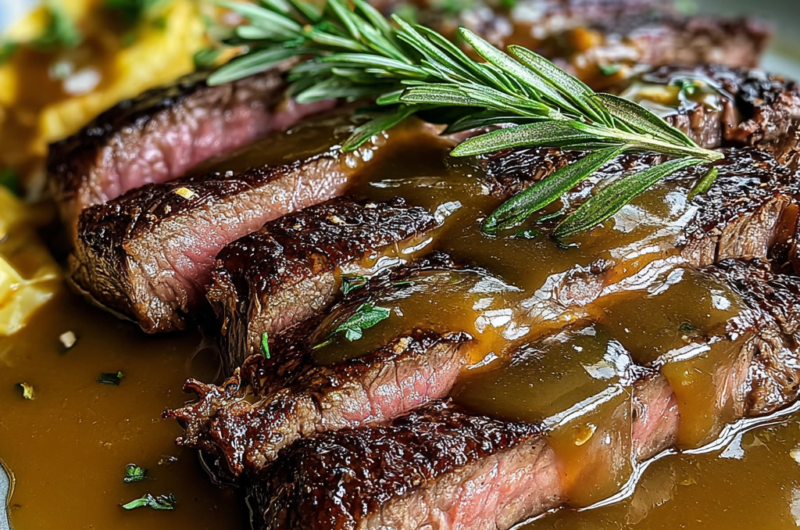
Steak with gravy is a classic dish that combines the rich, robust flavor of perfectly cooked beef with a savory sauce that enhances every bite. This comforting recipe can transport you straight to a cozy kitchen, evoking feelings of warmth and satisfaction with each mouthful.
Ideal for family dinners or special occasions, this recipe showcases how a few simple ingredients can transform into a delicious meal. Whether you're a novice chef or an experienced cook, making steak with gravy is accessible and rewarding.
Ingredients
- 2 ribeye steaks (1 inch thick)
Ribeye steaks are well-marbled, offering a perfect balance of tenderness and flavor. Their rich taste stands up beautifully to the robust gravy. - Salt and black pepper (to taste)
Seasoning enhances the natural flavors of the steak. A simple sprinkle of salt and pepper is enough to elevate the dish. - 2 tablespoons vegetable oil
Vegetable oil has a high smoke point, making it ideal for searing the steak. This step locks in the juices and creates a delicious crust. - 1 medium onion, finely chopped
Onions add sweetness and depth to the gravy. When sautéed, they caramelize and contribute a rich flavor base. - 2 cloves garlic, minced
Garlic infuses the dish with aromatic richness. Its bold flavor complements the steak and enhances the gravy. - 2 cups beef broth
Beef broth is the backbone of the gravy, providing a savory depth. It adds moisture and carries the flavors of the other ingredients. - 2 tablespoons Worcestershire sauce
This sauce adds complexity with its tangy, umami notes, deepening the flavor of the gravy. - 2 tablespoons cornstarch
Cornstarch is a thickening agent that helps the gravy achieve a pleasant consistency. It ensures the sauce clings beautifully to the steak. - 1 tablespoon fresh thyme, chopped (optional)
Thyme imparts an earthy brightness to the gravy, enhancing the overall flavor profile. Fresh herbs can elevate the dish significantly.
Directions & Preparation
Step 1: Season the steaks with salt and black pepper on both sides.
Proper seasoning of the steaks ensures that every bite is flavorful. The salt draws out moisture and enhances the natural flavors, while black pepper adds a hint of spice.
Step 2: Heat the vegetable oil in a large skillet over medium-high heat.
Heating the oil until it's shimmering prepares the pan for searing. This high temperature is crucial for creating a nice crust on the steak, which locks in juices and adds texture.
Step 3: Sear the steaks in the hot skillet for 4-5 minutes on each side, or until desired doneness.
Searing develops a flavorful brown crust due to the Maillard reaction. Use a meat thermometer to check for doneness: 130°F for medium-rare, 140°F for medium. This step ensures the steak is juicy and tender.
Step 4: Remove the steaks from the skillet and let them rest on a plate, covering loosely with foil.
Resting the steaks allows the juices to redistribute throughout the meat, ensuring they remain moist and flavorful when you slice into them. This brief pause is critical for optimal texture.
Step 5: In the same skillet, add the onions and sauté over medium heat until softened, about 5 minutes.
Cooking the onions in the same skillet allows them to absorb the flavorful remnants left from the steak. This step builds the base of the gravy, adding both flavor and depth.
Step 6: Add the minced garlic and cook for an additional minute, stirring frequently.
Garlic can burn quickly, so it's important to add it after the onions are mostly cooked. This enhances the dish without the strong raw taste of garlic.
Step 7: Pour in the beef broth and Worcestershire sauce, scraping up any browned bits from the bottom.
Deglazing the pan is crucial for maximizing flavor. The browned bits (fond) are packed with savory goodness and form the backbone of your gravy.
Step 8: Bring the mixture to a simmer and let it reduce by about half, stirring occasionally.
Reducing the gravy concentrates the flavors and thickens the sauce naturally. This step transforms a brothy mixture into a luscious, savory sauce.
Step 9: In a small bowl, mix the cornstarch with a few tablespoons of cold water to create a slurry.
This slurry will help thicken the gravy without clumping. Mixing it with cold water ensures that it incorporates smoothly into the hot liquid.
Step 10: Gradually add the cornstarch slurry to the simmering broth, stirring continuously.
Adding the slurry slowly while stirring will prevent lumps from forming in your gravy. Watch for the sauce to thicken to your desired consistency.
Step 11: Taste and adjust seasoning as needed, then stir in fresh thyme if using.
Tasting allows you to balance the flavors, ensuring the gravy is seasoned to your liking. Fresh thyme adds a lovely aroma and depth.
Step 12: Slice the rested steak against the grain and serve topped with the gravy.
Slicing against the grain is essential for tenderness, ensuring your steak is easy to chew. Drizzling with gravy before serving adds richness and visual appeal.

Mastering the Perfect Steak Seer
Searing your steak is critical for creating a flavorful crust while keeping the inside juicy. The key is to ensure your skillet is hot enough before adding the meat; a good sear locks in moisture and enhances flavor. Use ribeye steaks for the best results as their fat content not only adds flavor but also helps in browning perfectly. Don't overcrowd the pan; give each steak enough room to ensure an even cook.
Building Flavor in Your Gravy
The gravy is what elevates your steak dish from ordinary to extraordinary. Start by using the fond left in the pan after searing the steak—this is where much of the flavor lives. Cooking down onions and garlic adds sweetness and depth, while adding Worcestershire sauce introduces umami. The simmering process blends everything together, and reducing the liquid concentrates the flavors beautifully.
Perfecting Gravy Consistency
Achieving the right gravy consistency is essential for the perfect steak experience. A thick gravy clings beautifully to each slice, ensuring a delicious bite every time. If your gravy turns out too thin, you can create a cornstarch slurry to adjust the thickness. Conversely, if it’s too thick, simply whisk in a bit more beef broth until you reach the desired texture.
FAQs
What if my gravy is too thin?
If your gravy is too thin, mix a tablespoon of cornstarch with cold water to form a slurry, then gradually stir it into simmering gravy until thickened.
What if the steak is overcooked?
If your steak is overcooked, slice it thinly against the grain and serve with plenty of gravy to add moisture and flavor.
Can I use chicken broth instead of beef broth?
Yes, chicken broth can be used as a substitute, but it will change the flavor profile slightly, making it lighter.
What if I don’t have Worcestershire sauce?
If Worcestershire sauce is unavailable, you can use soy sauce for similar umami notes, though the flavor profile will be different.
How can I scale this recipe for a larger crowd?
To scale for larger gatherings, simply multiply the ingredients while maintaining the same cooking method and timing where applicable.
What if my steak lacks flavor?
Insufficient seasoning can lead to bland steak. Make sure to season generously with salt and pepper before cooking.
Conclusion
Steak with gravy is a delightful dish that can easily become a staple in your culinary repertoire. With its simple ingredients and impactful flavors, this meal is sure to impress family and friends alike.
By mastering the art of searing and building a luscious gravy, you're not just cooking; you're creating a comforting experience that brings the joy of home cooking to life.
Recipe Card
Notes
Additional serving suggestions: pair with a crisp salad, garlic bread, or roasted seasonal vegetables for balance.
For make-ahead, prep components separately and assemble just before heating to preserve texture.
Taste and adjust with acid (lemon/vinegar) and salt right at the end to wake up flavors.